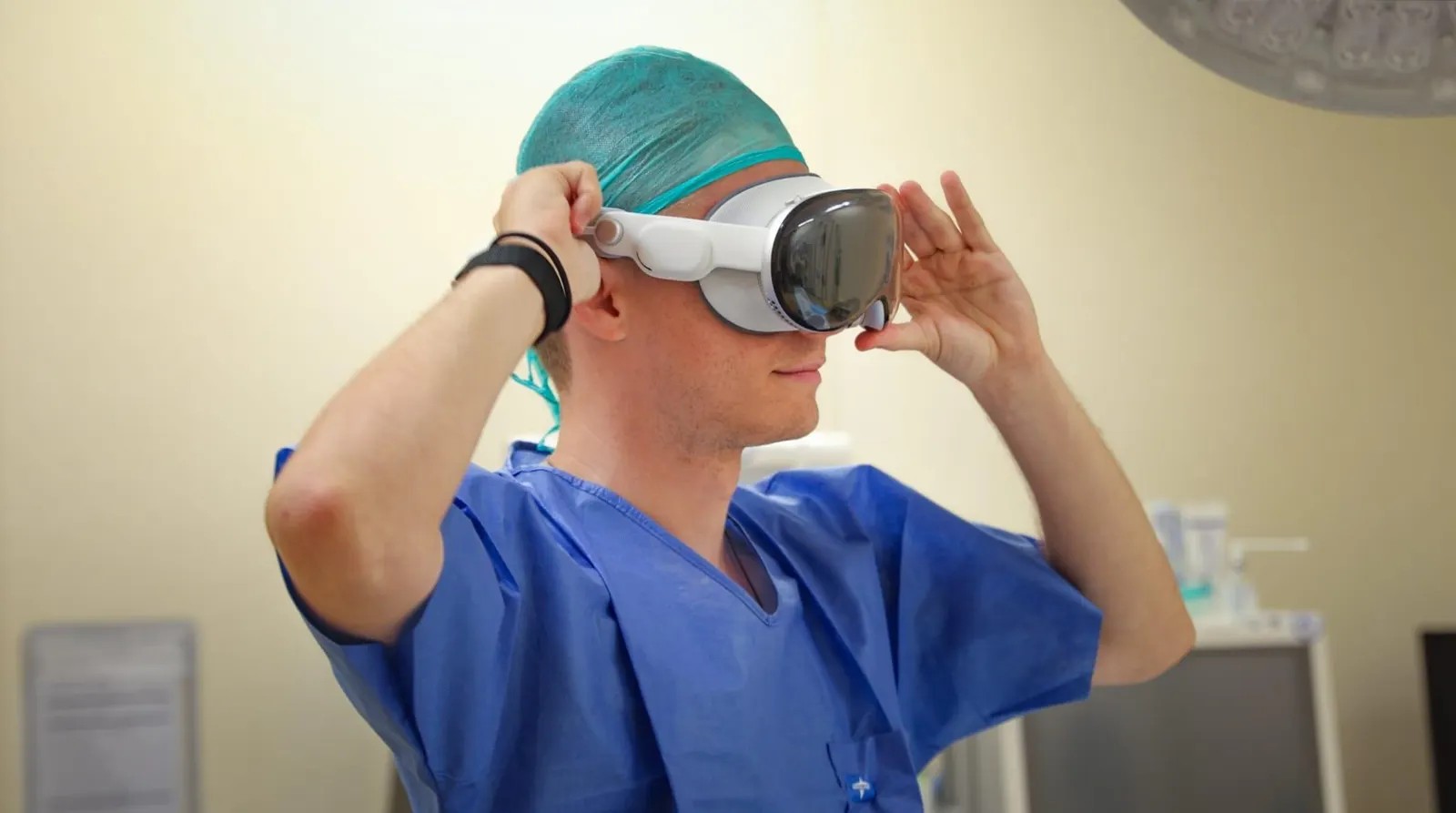
For over a decade, the pursuit of “X-ray vision for surgery” has remained elusive. Now, Claro Surgical has emerged from stealth with a mixed reality platform poised to transform orthopedic and trauma surgery. Already in use on live patients, Claro is now launching in the United States, replacing traditional X-ray shots with real-time 3D guidance displayed through any XR headset.
Addressing a Persistent Challenge in Orthopedic Trauma
Orthopedic trauma procedures, particularly fracture repairs, often rely on intermittent fluoroscopy (X-ray) and manual alignment. While surgical robots have enhanced precision in joint replacements, fracture repair continues to be a more manual process. Claro aims to bridge this gap. Traditionally, companies have attempted to create dedicated hardware systems for this task, but have not achieved widespread adoption.
Claro’s Innovative Approach: Software-First Design
Claro’s founders believe the key to success lies in its delivery model. Rather than introducing a new piece of hardware like a tower or single-purpose robot, Claro’s software runs on existing XR headsets, including popular models like HoloLens, Quest, and even the Apple Vision Pro. This allows for a flexible and accessible solution.
How it Works
The headset’s outward-facing cameras map the patient and the operating room. Claro’s database recognizes standard orthopedic implants and drills, then overlays a 3D path that guides surgeons on precisely where to cut, drill, and insert screws. Notably, no pre-operative CT scan is required, streamlining the procedure and reducing patient preparation time.
“Now I see the bone, I see the implant, everything is in the right spot for the first time. It’s perfect.” – Dr. Bashir Zikria, Chief of Sports Medicine at Johns Hopkins Hospital.
Pioneering Technology from Unique Founders
The company’s founders bring together distinct yet complementary expertise. Moises Ramos, the CEO and cofounder, previously designed dark-matter detectors at CERN before transitioning to AI for autonomous vehicles. His cofounder, Dr. Joan Ferras, is an orthopedic surgeon with a PhD in AI and mixed reality for healthcare, and previously served as Medical Director for the Spanish government. Both grew up observing surgery firsthand and recognized the need for improved visibility.
Demonstrating Significant Benefits
Clinical testing on synthetic bone yielded impressive results: five independent surgeons reduced drilling time by an average of eighty-six percent and improved accuracy by eighty-seven percent. These improvements extended to live procedures as well. Beyond clinical advantages, Claro also addresses financial considerations. Operating room costs are roughly sixty dollars per minute, and each X-ray shot introduces both delay and radiation exposure. By providing surgeons with a continuous, clear view of the surgical site, Claro promotes a more efficient workflow.
Rapid Adoption & Funding
Claro raised $1.5 million earlier this year, primarily from orthopedic surgeons and former medtech founders, demonstrating strong support from the target user base. The company plans to announce a seed round shortly, followed by a $25 million Series A next year. This organic adoption is evident in their recent training session at the Orthopaedic Trauma Association meeting in Phoenix, where they trained one hundred surgeons in under forty-eight hours, with several committing to funding on the spot.
A Sustainable Business Model & Future Plans
Claro intends to license its software to hospitals on an annual contract, supplemented by a per-procedure fee—a model mirroring the economics of surgical robots, but without the substantial capital expenditure. Currently with five employees, Claro expects to double its headcount within a year. Dr. Ferras leads clinical strategy, while COO Andrew Mahoney, with experience bringing forty medical devices to market, manages regulatory matters.
Targeting High-Volume Orthopedic Procedures
The platform initially targets fracture repair, a remarkably common procedure. More than one hundred million fractures occur globally each year, often requiring the use of rods, plates, and screws to stabilize broken bones. These surgeries are frequently urgent and performed without prior scans, leading to significant radiation exposure for both patients and staff. Claro positions itself as a way to standardize surgical outcomes without requiring changes to existing tools or hospital infrastructure. “Surgeons already know the tools,” Ramos said. “We give them a clearer view of what they are doing.”
The introduction of Claro’s platform represents a significant advancement in orthopedic surgery, promising improved efficiency, accuracy, and patient safety while aligning with a sustainable and cost-effective business model