The allure of cozy blankets and the couch is strong during winter’s dark days. However, maintaining an active lifestyle year-round is essential for overall health, especially if you’re prone to seasonal blues or low energy. This is where winter workouts come in—exercises tailored for snowy or icy weather that can help you stay fit and energized throughout the colder months. “Elevating your heart rate through exercise will help you stay warm and get a good sweat going,” says Jess Evans, a certified USA Boxing coach and trainer with the virtual boxing gym FightCamp.
Maximizing Your Winter Workout Routine
Instead of fighting the elements, learn to use them to your advantage. For instance, exercising in the snow strengthens the muscles that stabilize you and increases calorie burn. Walking on uneven surfaces also demands more effort than walking on a dry, flat surface and engages your core muscles, says LaLa Duncan, a certified pain-free performance specialist and virtual strength and conditioning coach.
8 Winter-Friendly Workouts to Try
Here’s how to stay active when the weather outside is frightful:
1. Brisk Walking
Brisk walking is a low-impact exercise that provides numerous benefits for your lower body, including improved heart health, stronger bones, increased energy levels, and better balance and coordination. You can do it indoors on a treadmill or bundle up and head outdoors.
Walking in groups can also positively impact both physical and mental well-being, potentially motivating you to exercise more consistently. When walking outside in the cold:
- Wear breathable, moisture-wicking fabrics.
- Cover your head, face, and hands, as these areas lose heat quickly.
- Choose waterproof snow boots or sneakers with good traction for navigating snow, slush, and ice.
- Wear wool socks to keep your feet warm and dry.
2. Skiing
Depending on your skill level and terrain, skiing can be a moderate to intense workout. Both downhill and cross-country skiing, along with their associated warm-ups and cooldowns, improve flexibility, strengthen core muscles, and build leg strength. Downhill skiers, in particular, often experience improved muscle strength and grip strength—an important factor in healthy aging.
Before engaging in strenuous activity in the cold, remember to warm up properly to avoid muscle tightness. Dynamic stretching or a light warm-up can help increase blood flow.
3. Snowboarding
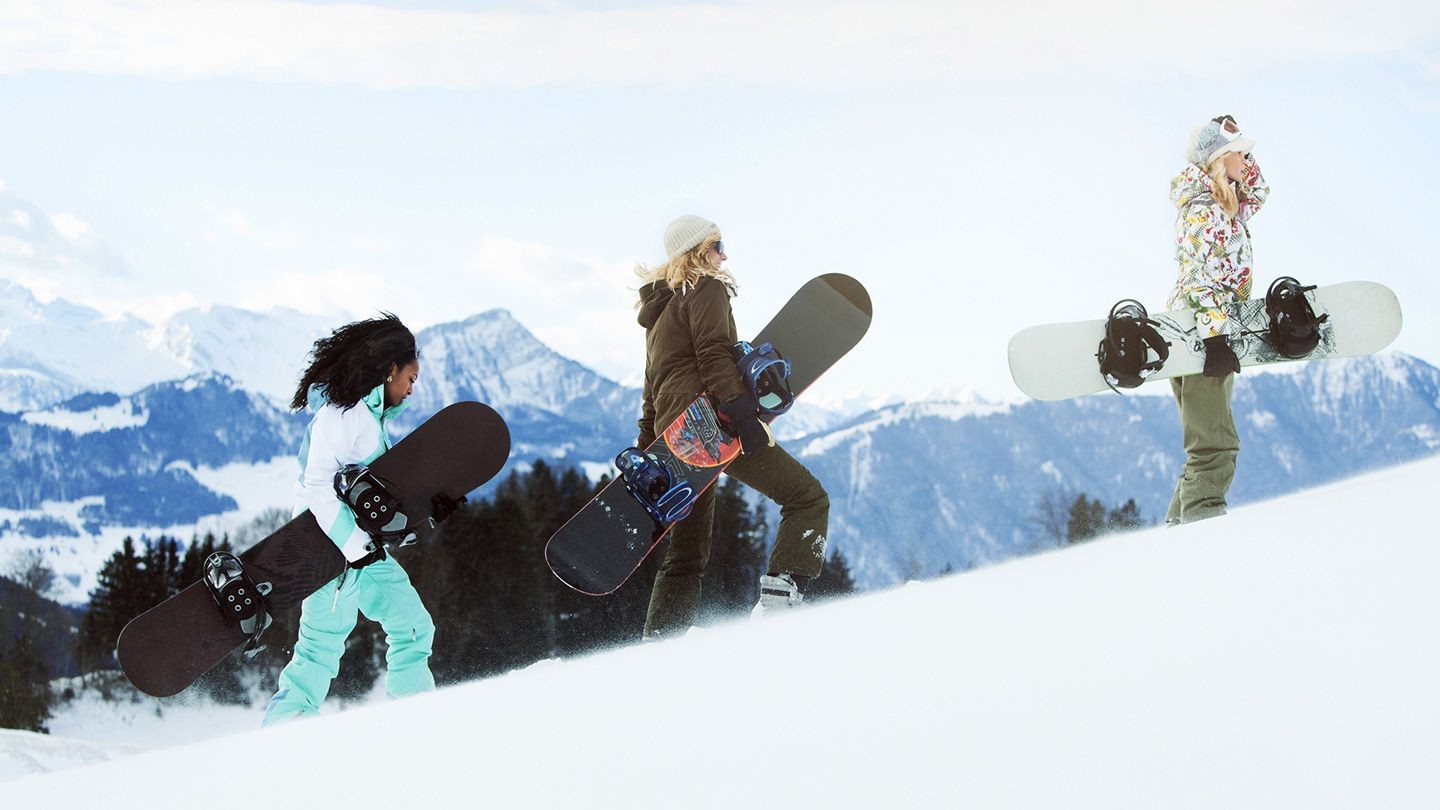
Similar to skiing, snowboarding balances your weight on a single board, offering a physically demanding workout for your lower body and core—especially when performed with good technique. Beyond the physical benefits, snowboarding offers mental advantages. Getting back up after a fall—a common occurrence—builds resilience and can improve your mindset and ability to overcome challenges.
4. Sledding
Sledding is a fun and accessible winter workout for all ages. Enjoying the thrill of the ride is just the beginning—you’ll also benefit from cardiovascular and strength gains, particularly if you’re responsible for carrying the sled back up the hill.
5. Ice-Skating
You don’t need to be a professional skater to reap the physical benefits of gliding across the ice. Laps around the rink improve balance and coordination, and work to strengthen key muscle groups in your legs and core. Don’t be surprised if you feel some muscle soreness the next day!
6. Snowshoeing
If there’s snow on the ground, consider a snowshoe trek instead of a regular walk. Snowshoes, resembling racquets strapped to your boots, allow you to walk on top of the snow rather than sinking into it. This is an excellent way to explore parks and trails.
Snowshoeing is a low-impact exercise that reliably raises your heart rate, builds endurance, and improves leg strength. It targets your glutes, calves, hip abductors, quads, hamstrings, and core—and requires the use of your core to maintain balance and control your steps.
7. Boxing
For an indoor workout, consider boxing. Many gyms offer in-person or virtual classes, and boxing is a great way to relieve stress and improve cardiovascular fitness. Studies show that boxing workouts are linked to reduced anxiety and depressive symptoms, improved strength, and better coordination.
8. Pilates and Yoga
If you notice tight hip flexors or hamstrings during the winter months, it could be due to increased time spent sitting indoors. Pilates and yoga are excellent winter workouts because they promote strength, mobility, and flexibility—and counteract the negative effects of prolonged sitting. Both activities include stretching that can complement high-impact winter sports like skating, skiing, or snowboarding. Plus, they’re easily done indoors on those days when the weather is too harsh to go outside.
The Takeaway
Exercising in the winter can combat seasonal mood swings and low energy levels. High-impact activities like skiing, skating, snowboarding, and sledding improve endurance, muscle strength, and cardiovascular health. Low-impact options like walking, Pilates, yoga, and snowshoeing help you stay fit regardless of your fitness level. Remember to wear appropriate gear, like waterproof clothing and shoes with good traction, to ensure safe exercise in the elements.
EDITORIAL SOURCES
Everyday Health follows strict sourcing guidelines to ensure the accuracy of its content. We use trustworthy sources, including peer-reviewed studies, board-certified medical experts, patients with lived experience, and information from top institutions.
Resources
- Walking: Trim Your Waistline, Improve Your Health. Mayo Clinic. March 12, 2024.
- Golaszewski NM et al. Group exercise membership is associated with forms of social support, exercise identity, and amount of physical activity. International Journal of Sport and Exercise Psychology. March 1, 2021.
- Gatterer H et al. Practicing Sport in Cold Environments: Practical Recommendations to Improve Sport Performance and Reduce Negative Health Outcomes. International Journal of Environmental Research and Public Health. September 15, 2021.
- Spörri J et al. International Ski and Snowboard Federation consensus statement on warm-up and cool-down in competitive alpine and freestyle skiers and snowboarders. BMJ Open Sport & Exercise Medicine. April 10, 2025.
- Burtscher J et al. Hand-grip strength in recreational downhill skiersڈن: a comparison to normative reference values. European Journal of Translational Myology. October 17, 2024.
- Dynamic vs. Static Stretching: Is One Better? Cleveland Clinic. August 29, 2024.
- Exercising in the Cold. University of Utah Health. January 22, 2018.
- Kamerin H. Four Tips for Snowshoe Running. Howard Head Sports Medicine Vail Health. November 28, 2023.
- Bozdarov J et al. Boxing as an Intervention in Mental Health: A Scoping Review. American Journal of Lifestyle Medicine. September 9, 2022.
- Lim So-Jung et al. Comparison of the Effects of Pilates and Yoga Exercise on the Dynamic Balancing Ability and Functional Movement of Fencers. Life. May 16, 2024.
Meet Our Experts
- Lynn Grieger, RDN, CDCES, Medical Reviewer
- Leoni Jesner, Author