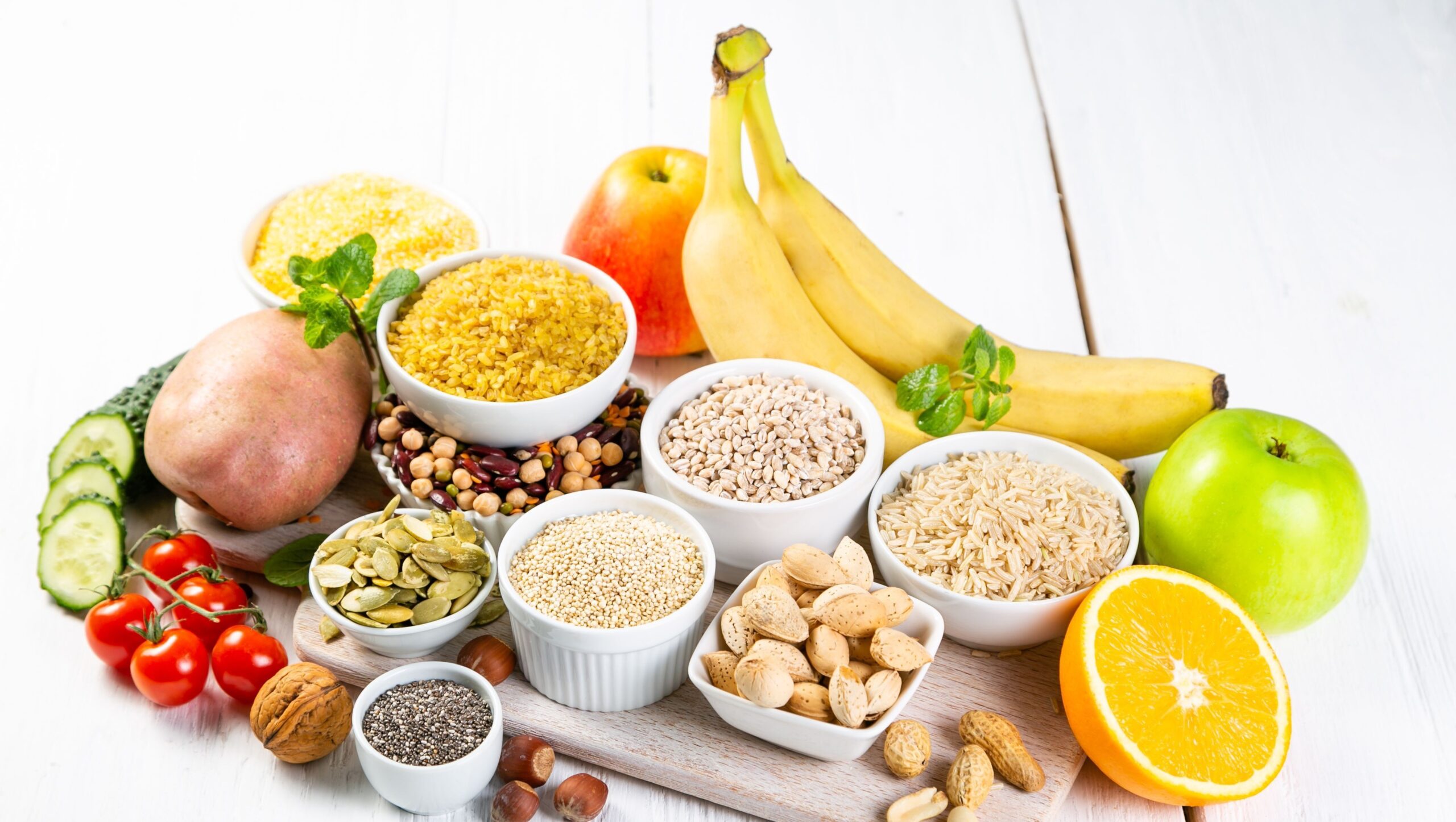
Hypothyroidism, a condition where the thyroid gland doesn’t produce enough hormones, can significantly impact energy levels, metabolism, and overall well-being. While medication is often the cornerstone of treatment, many people seek ways to complement their therapy with lifestyle adjustments, particularly dietary changes. But does diet truly play a role in managing hypothyroidism?
The relationship between diet and hypothyroidism is complex. It’s not about finding a “cure” through food, but rather making choices that support your body’s ability to function optimally despite the hormonal imbalance.
Understanding the Connection
Thyroid hormones influence metabolism – how efficiently your body uses energy. When these levels are low, as in hypothyroidism, metabolism slows down, potentially leading to weight gain, fatigue, and other symptoms. While diet can’t directly “fix” thyroid hormone production, certain foods can either enhance or hinder the way your body processes existing hormones.
What Should You Eat?
Focus on nutrient-rich foods that provide building blocks for healthy metabolism:
- Selenium: This mineral is crucial for thyroid hormone production. Good sources include Brazil nuts, seafood (especially tuna and halibut), eggs, and whole grains.
- Iron: Iron deficiency can worsen hypothyroidism symptoms. Include lean meats, lentils, spinach, and fortified cereals in your diet.
- Zinc: This mineral supports thyroid function. Find it in pumpkin seeds, chickpeas, oysters, and beef.
- Iodine: Crucial for thyroid hormone synthesis, iodine is found abundantly in iodized salt, seafood, and dairy products.
Foods to Approach with Caution:
While no specific foods “cause” hypothyroidism, some can potentially interfere with nutrient absorption or exacerbate symptoms:
- Goitrogens: Found in cruciferous vegetables (broccoli, cauliflower, cabbage) and soybeans, these compounds can interfere with iodine uptake when consumed in large quantities. Cooking these vegetables can reduce their goitrogenic effect.
- Highly Processed Foods: Often low in nutrients and high in unhealthy fats, sugar, and additives, processed foods can contribute to inflammation and hinder overall well-being.
Beyond the Plate: Lifestyle Factors
Diet is just one piece of the puzzle. Stress management techniques like yoga or meditation can be helpful, as stress hormones can impact thyroid function. Regular exercise, even gentle walks, can boost metabolism and improve mood. Adequate sleep is also vital for hormonal balance.
Remember, managing hypothyroidism is a multifaceted journey. While dietary changes can contribute to your overall well-being, it’s crucial to work closely with your doctor. They can tailor treatment to your specific needs, monitor your progress, and address any concerns you may have.