


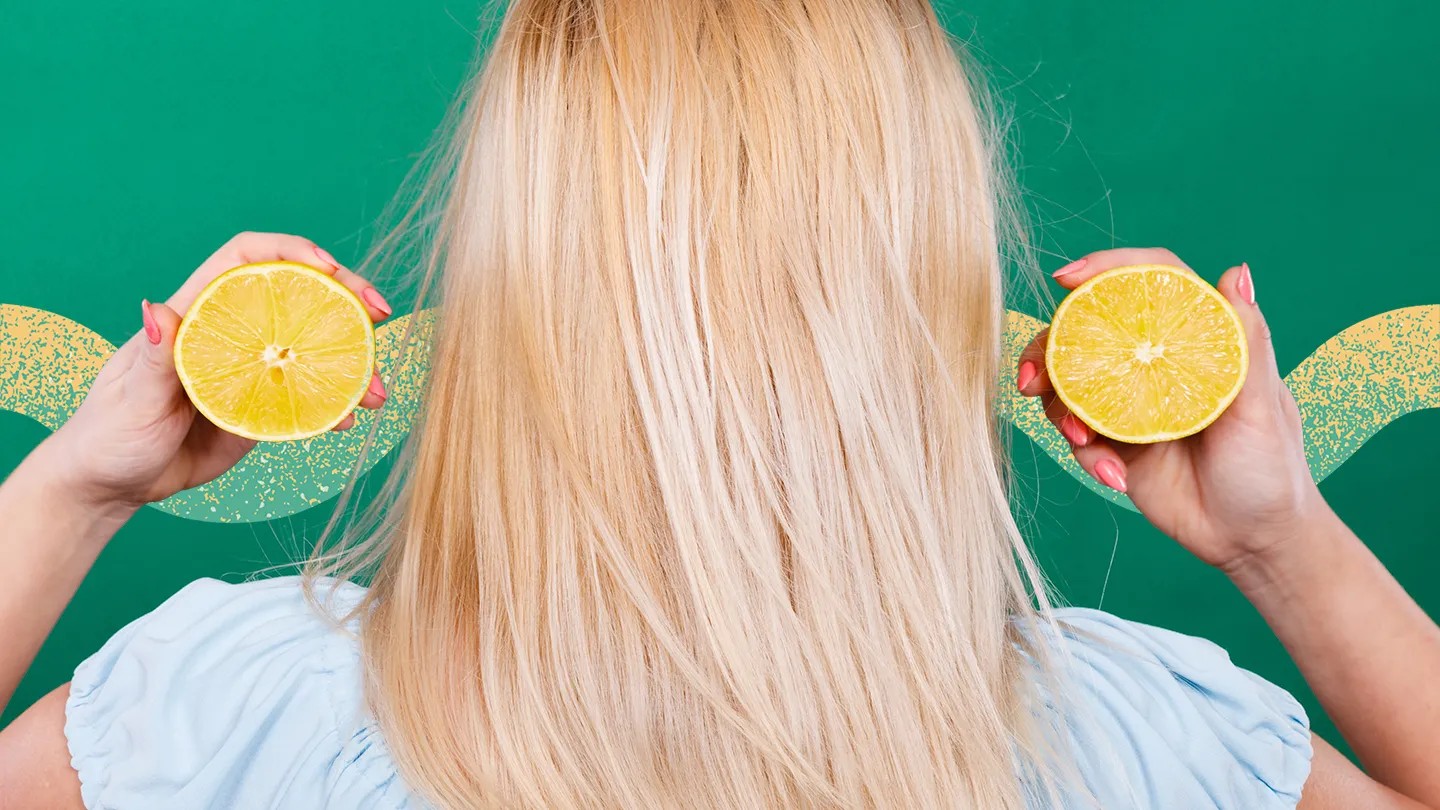
Want sun-kissed hair without salon fees? The internet suggests lemon juice might be the answer. But is this age-old DIY beauty trick actually effective or even safe?
While squeezing lemon juice on your locks and basking in the sun sounds appealingly natural, there’s more to the story than meets the eye. This method has gained renewed popularity alongside the “clean beauty” trend, but dermatologists and hair color experts caution against relying on it for a predictable or desirable change in hair color.
So how does lemon juice supposedly work? Lemon juice is acidic due to citric acid. When exposed to sunlight’s ultraviolet (UV) rays, this acid interacts with your hair’s melanin – the pigment responsible for its color – breaking down the structure and leading to gradual lightening. This process mirrors what happens when naturally light hair fades in the sun. Think of it as a chemical reaction intensified by UV exposure.
However, this method is far from foolproof. The results are often uneven and unpredictable. Naturally darker hair types will likely see minimal change, while lighter hair might end up brassy or patchy.
“Naturally light blond is the only starting base that would likely experience the brightening effect that’s desired,” explains Meg Schipani, a master colorist in Los Angeles. Even then, achieving consistent results requires careful timing and sun exposure, which can be tricky to control.
Furthermore, the process damages your hair. Just like sunlight fades dyed hair, prolonged UV rays weaken the hair shaft, leaving it dry, brittle, and more prone to breakage. This damage is compounded by lemon juice’s inherent acidity, which strips away natural oils, further compromising your hair’s health.
Beyond hair woes, there’s a risk of skin irritation: Phytophotodermatitis, an allergic reaction triggered by the interaction of citrus fruits and UV rays, can cause painful rashes, blisters, and even long-lasting dark spots on sun-exposed areas.
The Bottom Line: “Clean” Doesn’t Always Mean Better
While lemon juice is a natural ingredient, it still contains chemicals that react with UV light, potentially causing harm. Don’t let marketing terms like “natural” or “clean” fool you into thinking they automatically equate to safety. Hair dye products, whether from drugstore shelves or salon shelves, are subject to rigorous testing and regulations designed to minimize risks and ensure predictable results.
For safe and effective hair lightening, consider:
- Visiting a professional colorist: They have the expertise to assess your hair type, health, and desired outcome, ensuring a tailored approach with minimal damage.
- Using at-home kits: Drugstore options are readily available and often offer subtle, yet noticeable results that mimic natural sun-kissed shades.
Remember, choosing safe and proven methods always trumps DIY shortcuts when it comes to your hair and skin health.


