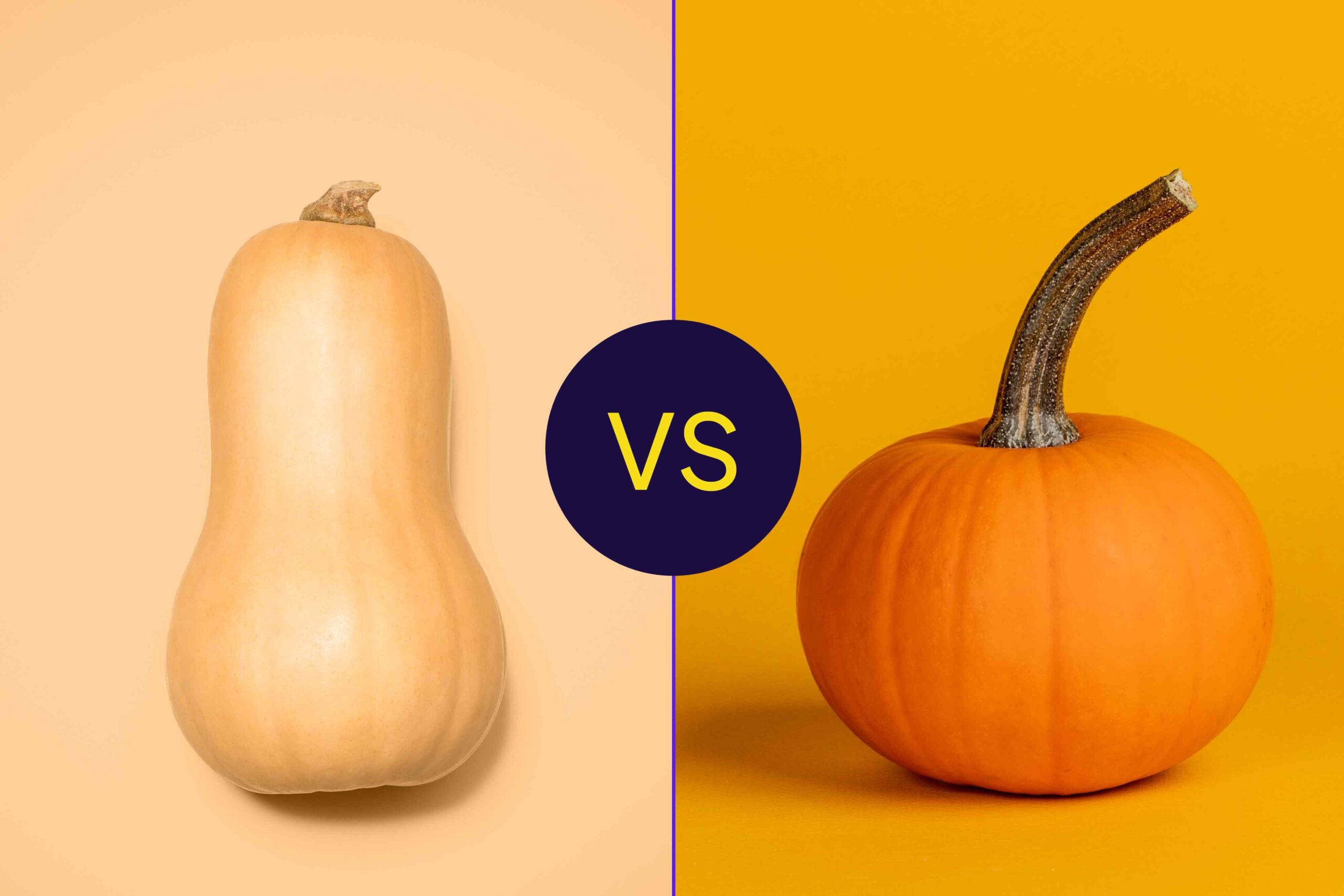
When the leaves turn vibrant shades of orange and red, it’s time for cozy sweaters and those distinctive flavors of fall – like butternut squash and pumpkin. Both bring warmth and sweetness to our meals, but which one takes the nutritional crown? Let’s break down their key nutrients to see how these popular autumn staples stack up.
Fiber Powerhouse: Butternut Squash Wins Out
While both vegetables contribute fiber, butternut squash packs a significantly bigger punch. A single serving offers over six grams of fiber compared to pumpkin’s mere 2.7 grams. Fiber is crucial for healthy digestion, keeping you feeling fuller longer, and regulating blood sugar levels. Choosing butternut squash can make a noticeable difference in your daily fiber intake.
Vitamin A: An Autumnal Staple
Both butternut squash and pumpkin are well-known sources of vitamin A, essential for strong vision, a healthy immune system, and cell growth. Butternut squash emerges as the clear winner here with over 1,100 micrograms of vitamin A per serving compared to pumpkin’s 706 mcg. This extra vitamin A from butternut squash provides an added boost to your overall health benefits.
Beyond Vitamin A: A Deeper Dive into Nutrition
Butternut squash takes a commanding lead in other essential nutrients as well:
-
Vitamin C: Butternut squash delivers more than twice the vitamin C found in pumpkin. Vitamin C is a potent antioxidant that shields cells from damage, aids collagen production (important for skin and joints), and supports immune function.
-
Vitamin E: Butternut squash boasts a notable amount of vitamin E, an essential nutrient for healthy skin, blood vessels, and a strong immune system.
- Magnesium: Needed for regulating blood sugar and blood pressure, magnesium is more abundant in butternut squash than pumpkin.
Choosing Your Champion: Factors to Consider
So, which is right for you? Both butternut squash and pumpkin are valuable additions to your diet.
- Nutrient Density: If maximizing nutritional value is key, butternut squash wins hands down.
- Carbohydrate Intake: Pumpkin is a lower-carb option compared to butternut squash, making it a good choice if you’re watching your carbohydrate intake.
- Flavor and Texture: Butternut squash has a naturally sweeter, slightly nutty flavor with a smoother texture when cooked. Pumpkin offers a milder, earthier taste but can have a stringier texture.
Flavorful Fall Feasts: Beyond the Numbers
Whether you prefer the rich sweetness of butternut squash or pumpkin’s subtle earthiness, there are endless ways to incorporate these versatile vegetables into your fall dishes.
Think creamy soups, vibrant pies, comforting stews, or even creative smoothies. Embrace the season and experiment with both butternut squash and pumpkin – they bring a unique flavor and nutritional boost to any meal.