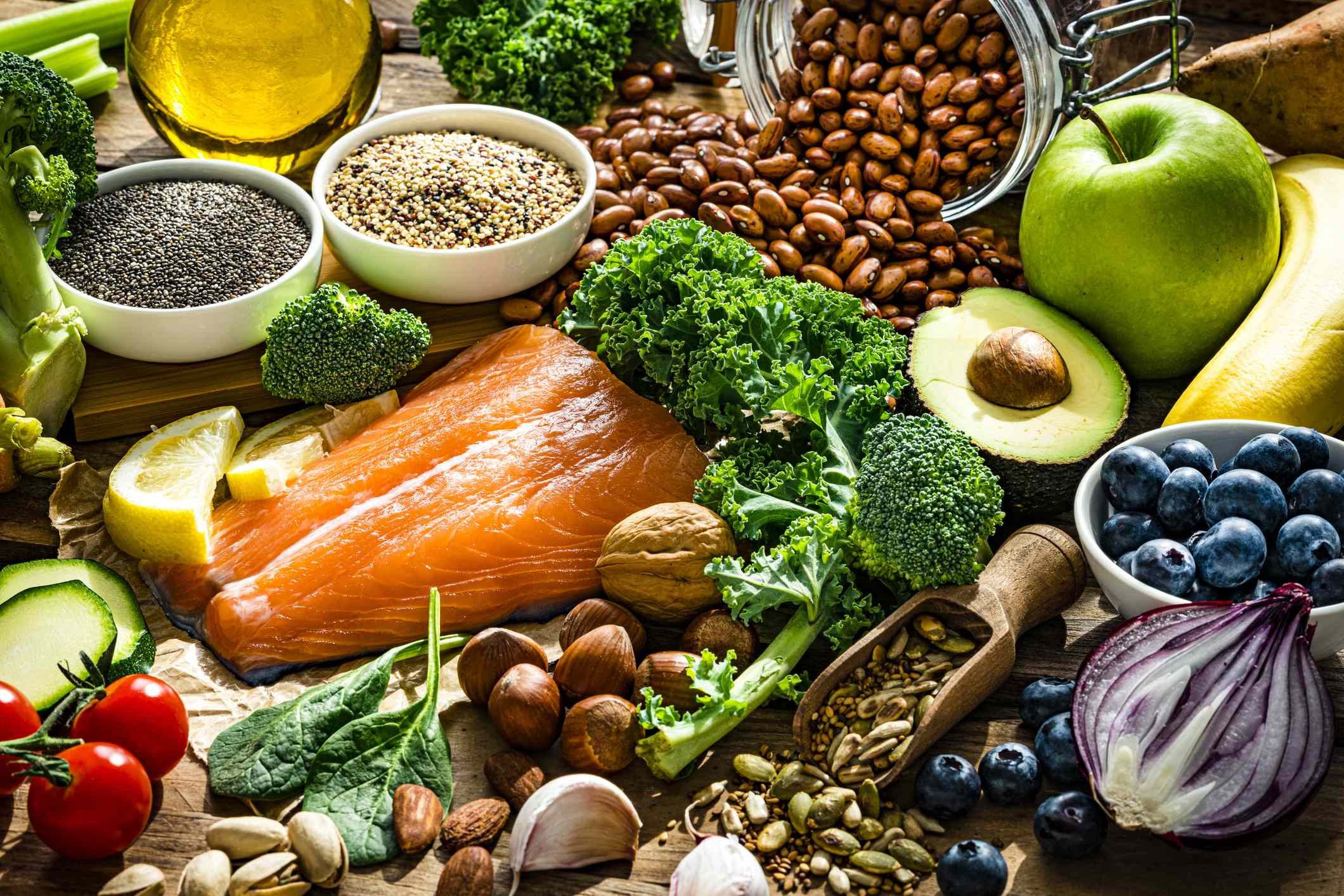
People in so-called “Blue Zones”—regions where individuals consistently live past 100 years old—share certain dietary habits. While genetics and lifestyle also matter, food patterns strongly influence longevity. Researchers have identified 10 foods commonly consumed by centenarians, offering insights into how diet supports a longer, healthier life.
The Core of Longevity: Plant-Based Staples
The cornerstone of Blue Zone diets is an emphasis on whole, unprocessed foods. This means prioritizing foods in their natural state, minimizing added sugars, and relying heavily on plants.
1. Beans: The Protein and Fiber Powerhouse
Beans and legumes are central to Blue Zone eating. They’re packed with protein, fiber, vitamins, and minerals, contributing to:
- Blood sugar control: Low glycemic index (GI) means slow glucose release, avoiding spikes. This is critical as diabetes becomes more common in older adults.
- Digestive health: Soluble fiber supports gut bacteria, improving nutrient absorption.
- Heart health: Fiber also lowers cholesterol.
- Chronic disease prevention: Antioxidants fight oxidative stress, reducing inflammation.
2. Leafy Greens: Nutrient Density for Brain and Body
Leafy greens (spinach, kale, chard) are a Blue Zone staple. They’ve been linked to better inflammation control, immunity, and heart health. More importantly, compounds like lutein and folate in greens help slow cognitive decline, preserving brain function with age.
3. Nuts and Seeds: Healthy Fats for a Healthy Life
Nuts and seeds (pistachios, walnuts, chia, flaxseed) offer healthy fats, protein, and fiber. They reduce cholesterol, lower blood pressure, and combat inflammation. These benefits translate to reduced risk of diabetes and heart disease.
4. Whole Grains: Sustained Energy and Digestive Support
Whole grains (whole wheat, quinoa, brown rice) provide complex carbohydrates, fiber, and nutrients. They support digestion, blood sugar control, and sustained energy levels. The use of sourdough bread in Blue Zones further enhances metabolic health.
Foods That Boost Specific Functions
Beyond the core staples, certain foods target specific health areas crucial for longevity.
5. Olive Oil: The Mediterranean Heart-Health Secret
Olive oil is a Mediterranean diet staple linked to longevity. Monounsaturated fats reduce cholesterol and fight cardiovascular disease. Antioxidants also support liver, immune, kidney, digestive, and brain health.
6. Turmeric: The Anti-Inflammatory Spice
Turmeric is a key ingredient in some Blue Zones, reducing chronic inflammation, aiding digestion, and boosting immunity. It may also improve brain function and reduce age-related nerve diseases.
7. Sweet Potatoes: Okinawa’s Longevity Staple
Sweet potatoes, especially purple varieties, are common in Okinawa, Japan. They provide sustained energy, antioxidants, and potential anti-aging benefits.
Animal Products and Hydration
While plant-based, Blue Zone diets aren’t entirely vegetarian. Small amounts of animal products are included.
8. Seafood: Lean Protein from the Water
Seafood provides nutrient-dense protein that supports lean muscle mass. Omega-3 fatty acids benefit brain health, reduce inflammation, and support cardiovascular function.
9. Fruits: Vitamins, Fiber, and Antioxidants
Fruits offer essential vitamins, fiber, and antioxidants. Regular fruit intake improves blood sugar control, weight management, and heart health.
10. Teas: Comfort and Health in a Cup
Hot teas, particularly green and herbal varieties, provide antioxidant, anti-inflammatory, antimicrobial, and neuroprotective properties. Regular tea consumption may reduce the risk of chronic diseases.
How to Adopt a Blue Zone Diet
The Blue Zone diet isn’t about strict rules; it’s about prioritizing whole, unprocessed foods. To eat like a centenarian:
- Emphasize beans, whole grains, fruits, and vegetables.
- Drink mainly water.
- Limit red meat, dairy, and added sugar.
- Practice mindful eating: stop when about 80% full.
These dietary habits, combined with an active lifestyle, create a foundation for longevity. The Blue Zone approach isn’t a quick fix; it’s a sustainable way of eating that supports long-term health and vitality.