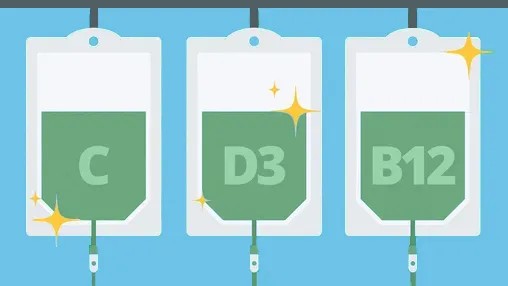
The practice of intravenous (IV) nutritional therapy – delivering vitamins, minerals, and other compounds directly into the bloodstream – has surged in popularity, fueled by celebrity endorsements and promises of rapid health benefits. But beneath the trend lies a debate: does this method actually deliver on its claims, or is it an expensive, unproven shortcut?
The Rise of IV Drips: From Hospitals to Wellness Clinics
Traditionally, IV infusions were reserved for hospital settings to rehydrate patients or correct severe nutrient deficiencies. Today, however, clinics and even mobile services now offer these treatments to the general public, marketing them as solutions for fatigue, jet lag, immune boosting, or even chronic conditions. This shift reflects a growing demand for “quick fixes” in a wellness-obsessed culture.
How It Works: Bypass the Gut, Hit the Bloodstream
Proponents argue that IV drips bypass the digestive system, allowing for 100% absorption of nutrients. While it’s true that oral supplements rely on gut health for uptake, the extent to which IV infusions provide a superior benefit remains questionable. Many experts suggest that a healthy diet and targeted oral supplementation are often sufficient for most individuals.
The typical session costs between $150 and $400, though some specialized drips can run up to three hours and significantly higher prices. Popular options include vitamin C, B vitamins, and vitamin D – nutrients many people may already obtain through food or supplements.
The Vitamin D Case: Sunshine in a Bag?
Vitamin D, often called the “sunshine vitamin,” has seen a particular surge in demand via IV therapy, especially during winter months when sun exposure is limited. Some preliminary studies suggest a link between vitamin D deficiency and increased COVID-19 severity, further driving interest. However, experts emphasize that oral vitamin D supplements are readily available, affordable, and equally effective for most people.
The Skeptic’s View: Expensive Urine?
Many medical professionals dismiss IV drips as little more than “expensive urine.” The body excretes what it doesn’t need, regardless of how it was delivered. While not necessarily harmful in most cases, the practice is often seen as an unnecessary expense.
Risks and Caveats: Proceed with Caution
Although generally considered low-risk, IV infusions aren’t without potential side effects. These include superficial thrombophlebitis (inflammation of the vein) and, in rare cases, heart arrhythmias. Individuals with allergies, pre-existing medical conditions, or those taking medications should consult their doctor before undergoing treatment.
The Bottom Line: Prioritize Fundamentals
The current evidence does not support the widespread use of IV nutritional therapy as a superior alternative to a balanced diet and appropriate oral supplementation. If you suspect a deficiency, consult with a healthcare provider for proper testing and guidance rather than relying on trendy, unproven treatments.