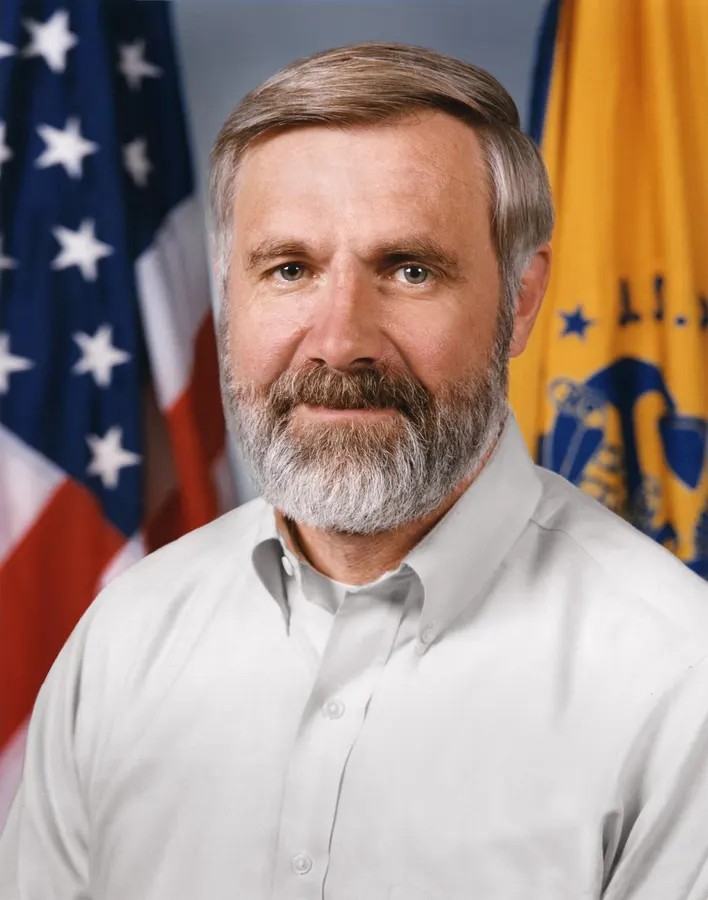
Dr. William H. “Bill” Foege, a pivotal figure in global public health, passed away at his home in Atlanta on January 24th at the age of 89. While his name may not be as widely recognized as some, his work fundamentally reshaped how the world approaches infectious disease control. Foege is best known for his central role in the eradication of smallpox, a feat considered one of the greatest triumphs in medical history.
From Nigeria to Global Impact
Foege’s journey began in 1966, when, as a young CDC epidemiologist in Nigeria, he pioneered a vaccination strategy that would ultimately conquer smallpox. This success wasn’t merely a technical achievement; it was a demonstration that targeted, data-driven approaches could overcome even the most entrenched health crises. Smallpox had plagued humanity for millennia, killing an estimated 300-500 million people in the 20th century alone. The eradication of the disease stands as a stark reminder that global cooperation and scientific rigor can yield extraordinary results.
A Leader at the CDC and Beyond
Foege’s leadership extended far beyond smallpox. He served as Director of the CDC from 1977 to 1983, guiding the agency through the early stages of the AIDS epidemic. Critically, he expanded the CDC’s focus beyond communicable diseases to include prevention of non-communicable conditions, environmental health, and injury control. This broadened vision laid the groundwork for the modern CDC’s comprehensive approach to public health.
Following his tenure at the CDC, Foege continued to influence global health through leadership roles at Emory University’s Rollins School of Public Health, the Carter Center, and ultimately, the Bill & Melinda Gates Foundation. He was instrumental in establishing the Task Force for Child Survival, a coalition of major international organizations dedicated to improving childhood immunization rates. His later work with the Carter Center and the Gates Foundation further cemented his legacy: he pioneered “pharmacophilanthropy”, convincing Merck to donate its anti-parasitic drug Mectizan® to combat River Blindness in Africa, resulting in billions of dollars in essential medicine donations.
A Legacy of Invisible Impact
Foege’s approach to public health was often understated. Unlike the immediate gratification of emergency medicine, he worked on problems where the impact was delayed and often unseen. As he once explained to a young medical student, public health professionals often do not receive direct gratitude for their efforts. Instead, they must find satisfaction in knowing they’ve protected the health of potentially millions, even if those individuals never know their work exists.
This quiet dedication was recognized with the Presidential Medal of Freedom in 2012. Though he never received a Nobel Prize – a fact some lament – his legacy is etched in the health of billions worldwide. Foege’s life was a testament to the power of unseen work, rigorous science, and unwavering commitment to global well-being. His passing marks the loss of not just a scientist, but a true architect of modern public health.