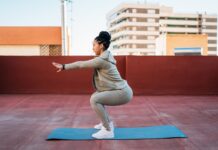
Weighted vests are gaining traction in fitness circles, but beyond the hype, do they deliver real benefits for women? The answer is increasingly clear: yes, when used strategically. This article breaks down the science behind weighted vests, explaining how they can boost calorie burn, strengthen bones, improve athletic performance, and potentially aid in weight maintenance.
What Are Weighted Vests?
A weighted vest is a garment designed to distribute extra weight evenly across the torso. Some models come with fixed weights, while others allow adjustable loading via removable bars. This added resistance transforms everyday activities – walking, squats, even chores – into more challenging workouts. The core principle is simple: making your body work harder increases energy expenditure and builds strength.
5 Science-Backed Benefits for Women
- Calorie Burn Boost: Adding weight forces your body to expend more energy. Studies show that wearing a vest equivalent to 10% of body weight significantly increases calorie burn compared to lighter vests or no vest at all. This can be a useful tool for weight management without necessarily increasing exercise duration.
- Strength & Endurance Gains: Weighted vests provide distributed resistance, engaging multiple muscle groups simultaneously. This improves cardiovascular endurance, muscular power, and overall conditioning. Simple activities like walking stairs or doing bodyweight exercises become more effective.
- Bone Density Support: Bone health is critical for women, especially during perimenopause and postmenopause when bone density declines. Weighted vests increase skeletal loading, the mechanical stress needed to strengthen bones. While research is still evolving, experts see them as a promising tool for osteoporosis prevention.
- Enhanced Athletic Performance: Short warm-up periods with weighted vests (around 20% of body weight) can improve running economy and efficiency. The extra load temporarily increases leg stiffness, making running feel lighter once the weight is removed. However, long-distance running with added weight is not recommended due to increased joint stress.
- Potential for Weight Maintenance: Researchers propose a “gravitostat hypothesis,” suggesting that leg bones act as weight sensors, influencing metabolism. Adding a weighted vest may “trick” the body into maintaining a higher metabolic rate, potentially preventing weight regain after loss. Initial studies show promise, but dietary compliance and total energy expenditure must also be considered.
How to Use Weighted Vests Effectively
Weighted vests are versatile:
- Add resistance to daily activities: Walking, stairs, chores.
- Intensify bodyweight exercises: Planks, squats, push-ups.
- Enhance aerobic conditioning: Hiking, treadmill walks.
- Provide hands-free resistance: When weights or bands aren’t practical.
Start light (5–10% of body weight) and gradually increase as you adapt. Pregnant women or those with back/joint issues should consult a healthcare provider before use.
The Bottom Line
Weighted vests are a valuable addition to a well-rounded fitness routine, offering benefits ranging from increased calorie burn to improved bone density and potential support for weight maintenance. While not a magic bullet, they provide a practical and science-backed tool for women at all life stages. Combining them with traditional strength training remains the gold standard for long-term muscle health.