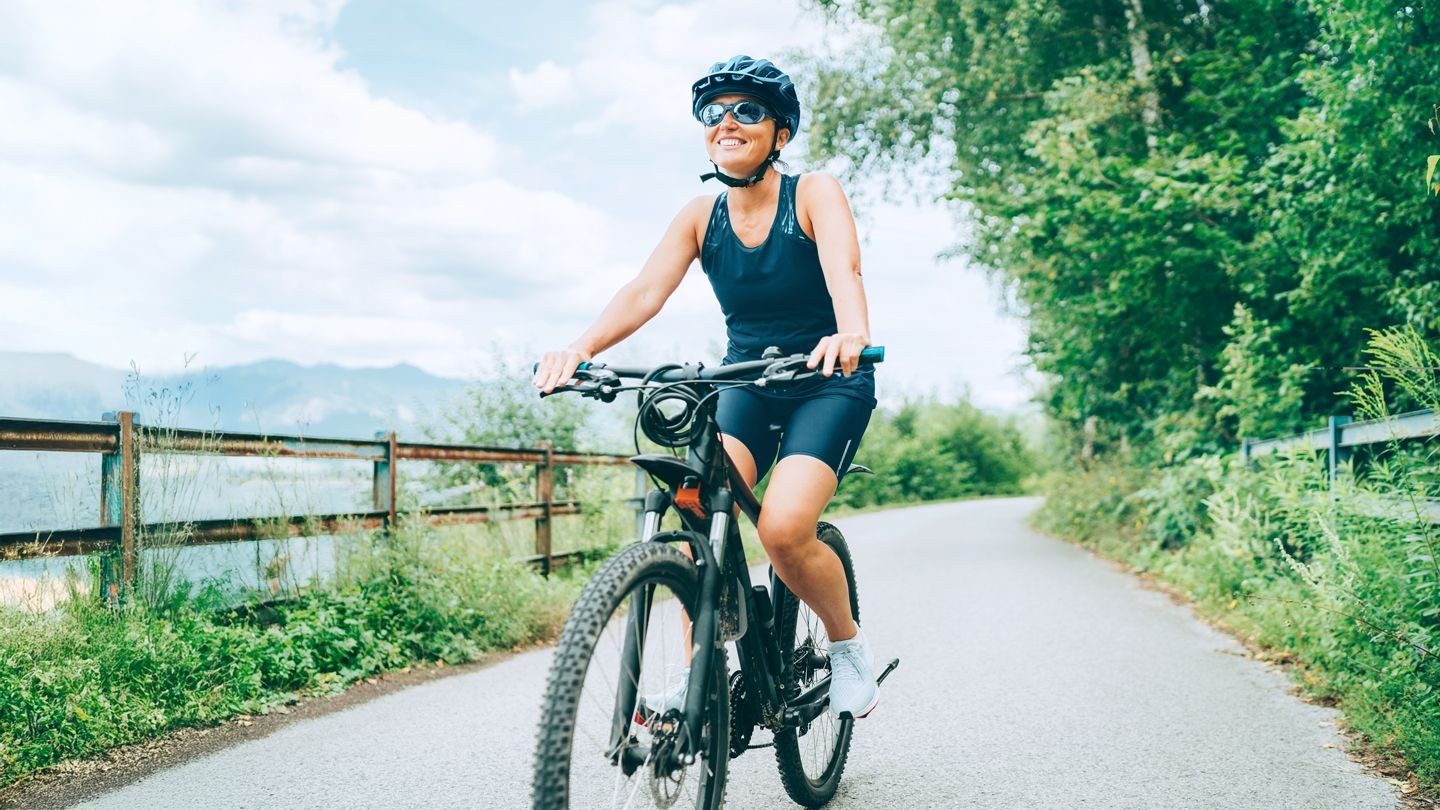
Cycling is a low-impact exercise with benefits for all ages and fitness levels. If you haven’t ridden a bike in years, or ever, getting started can seem daunting. But it doesn’t require expensive gear or intense training – just a properly sized bike, a good helmet, and a consistent plan.
Why cycling matters: Cycling is not just about fitness; it’s about accessibility. Unlike many exercises, it’s something people can enjoy throughout their lives. The growing popularity of cycling reflects a broader trend toward sustainable transportation and outdoor recreation, both of which are driven by health and environmental concerns.
Getting Started: Focus on Consistency, Not Intensity
Many beginners worry about pace and distance too early. Cycling coach Garret Seacat emphasizes that the most important thing is enjoyment. “For many people, cycling starts with recapturing the joy of riding.” Instead of aiming for fast times, focus on building a habit. Start with 20-30 minute leisurely rides two or three times a week. Once you feel comfortable, you can gradually increase intensity.
Essential Gear: What You Actually Need
You don’t need to spend a fortune. A functional bike is the priority. If you have an old bike, a tune-up at a local shop is better than buying a new one.
- Bike Choice:
- Mountain bikes are ideal for gravel or rough terrain.
- Road bikes are faster on paved surfaces.
- Hybrid bikes combine features of both.
- Helmet: Invest in a modern helmet with multidirectional impact protection system (MIPS) technology. These helmets absorb impacts better than older models.
- Clothing: Moisture-wicking clothes prevent chills, especially on longer rides. Padded bike shorts (bibs) can improve comfort. Athletic shoes are fine for beginners; skip clip-in shoes until you’re more experienced.
Bike Fit: Proper fit is crucial. When standing over the bike, there should be 1-2 inches of clearance for road bikes and at least 2 inches for mountain bikes. A bike shop can help adjust seat height and handlebars.
Safety First: Ride Smart
- Wear a properly fitted helmet.
- Check brakes and seat lock before each ride.
- Use bright clothing and lights (white front, red rear).
- Use a horn or bell.
- Tuck pants into socks to avoid chain snags.
- Choose routes away from heavy traffic.
- Stay alert: No headphones.
- Ride with traffic and assume drivers can’t see you.
A Four-Week Beginner Cycling Plan
This plan focuses on building endurance, not speed. Intensity is rated on a scale of 1-10, where 6-7 is a moderate pace (you can talk in short sentences).
Week 1:
* Day 1: 15 minutes easy pace.
* Day 2: 30-60 minutes active recovery (walking, yoga).
* Day 3: 20 minutes easy pace.
* Day 4: Rest.
* Day 5: 30 minutes easy pace.
* Day 6: 30-60 minutes active recovery.
* Day 7: 30 minutes cross-training (strength work).
Week 2:
* Day 1: 15 minutes moderate pace.
* Day 2: 30-60 minutes active recovery.
* Day 3: 20 minutes moderate pace.
* Day 4: 15-20 minutes cross-training.
* Day 5: 30 minutes moderate pace.
* Day 6: Rest.
* Day 7: 15-20 minutes cross-training.
Week 3:
* Day 1: 15 minutes easy + 10 minutes moderate.
* Day 2: 45-60 minutes active recovery.
* Day 3: 20 minutes easy + 15 minutes moderate.
* Day 4: 20 minutes cross-training.
* Day 5: Intervals: 10 minutes easy, 1 minute moderate (repeat 3x).
* Day 6: Rest.
* Day 7: 20 minutes cross-training.
Week 4:
* Day 1: 10 minutes easy + 20 minutes moderate.
* Day 2: 30 minutes active recovery.
* Day 3: Hill training (8-10 climbs at easy pace).
* Day 4: 30-60 minutes active recovery.
* Day 5: 10 minutes easy + 30 minutes moderate.
* Day 6: Rest.
* Day 7: Long ride (double your longest ride so far, easy pace).
The Bottom Line
Cycling is a versatile fitness activity that can be enjoyed by anyone. Prioritize safety, consistency, and fun. Invest in a good helmet and comfortable clothing, but don’t feel pressured to buy expensive gear right away. A simple, well-executed plan will build strength, endurance, and a lasting love for riding.