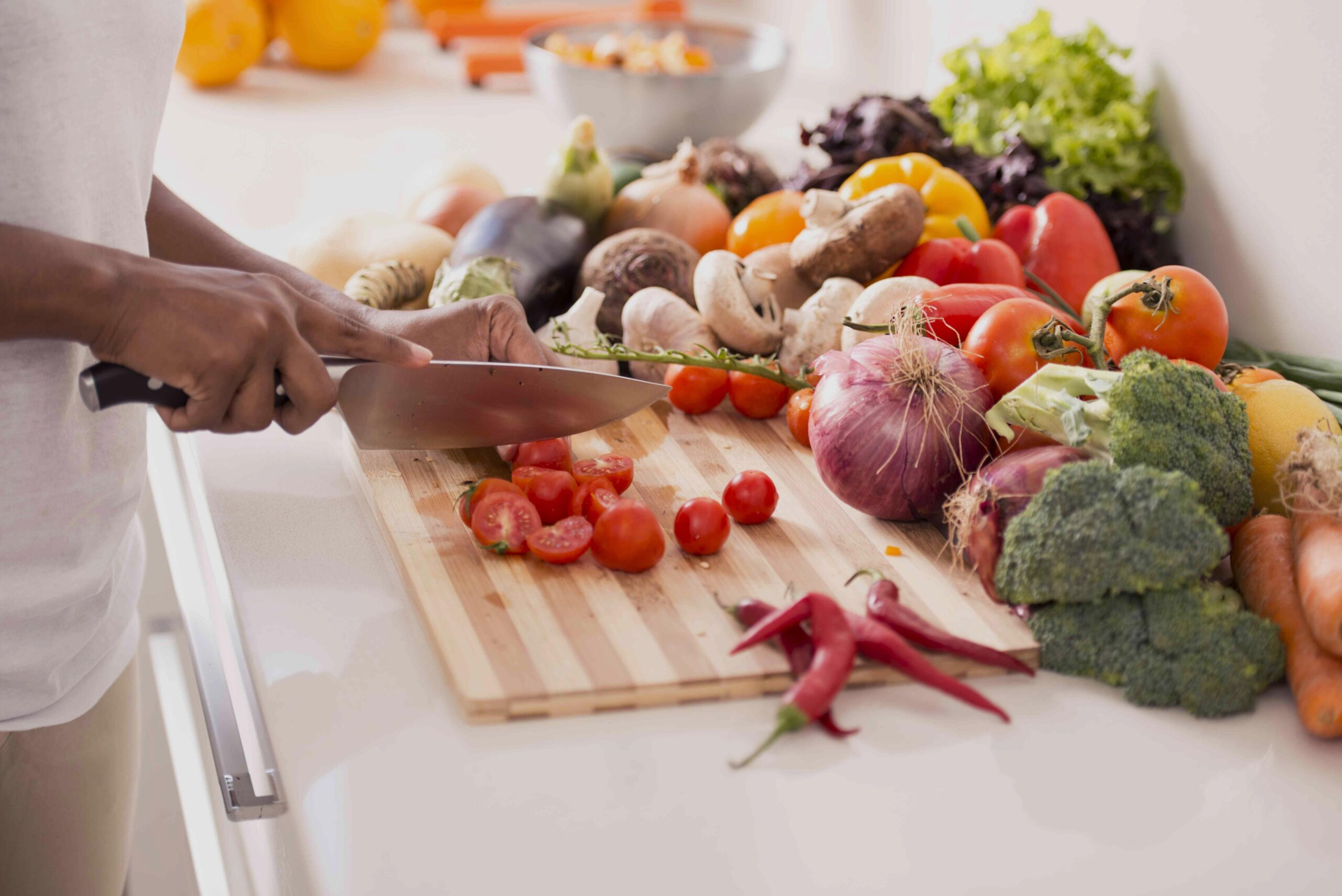
A new social media trend dubbed “human kibble” – essentially a pre-prepared, mixed-food meal consisting of chopped vegetables, protein sources, grains, and legumes – has gained traction online. While potentially nutritious, the long-term viability and psychological impact of such a rigid diet are now being debated by nutrition experts.
The Appeal of Simplified Nutrition
The trend originated with TikTok creator @myfoodisme2, who claims to have sustained himself on this “kibble” for five years. His method involves combining 19 different whole foods into a single, weekly meal. The core benefit lies in its simplicity: eliminating meal planning and encouraging consumption of under-eaten food groups like vegetables and fiber-rich beans, which many Americans lack in their diets.
As Emma Laing, PhD, RDN, from the University of Georgia, points out, the trend could be beneficial if it inspires individuals to incorporate more variety into their eating habits. For those who struggle with taste or texture preferences (like the creator himself, who found finely chopping vegetables more palatable), this approach could be a workaround. The predictability of the diet might also appeal to people with dietary restrictions or food-related anxiety.
Potential Pitfalls: Boredom, Balance, and Food Safety
Despite the advantages, experts caution against long-term adherence to this restrictive eating pattern. Wan Na Chun, MPH, RD, CPT, warns that monotony can lead to dissatisfaction and nutrient deficiencies if meals aren’t carefully balanced.
Beyond nutritional concerns, the psychological implications are significant. Chun emphasizes that labeling meals as “kibble” can dehumanize the eating experience, reducing food to mere fuel rather than a source of culture, connection, and enjoyment.
Practical considerations also exist: storing large batches of pre-cooked food for a week risks foodborne illness, as the USDA recommends refrigerating leftovers for no more than four days. Additionally, a lack of seasoning (particularly salt) could lead to electrolyte imbalances in active individuals.
Is “Human Kibble” Sustainable?
While not inherently dangerous if foods are cooked safely, experts suggest that this method may not meet the caloric needs of high-energy individuals (such as athletes). A sudden shift to this diet could also cause digestive discomfort.
The key to making this approach work, Laing advises, is rotation: cycling through various ingredients, including whole grains, legumes, seafood, spices, and healthy oils. Ultimately, most people require a more flexible and varied approach to food to feel both nourished and satisfied.
Food is more than just sustenance. It’s a cultural experience, a source of connection, and a key component of a healthy mindset. While some might thrive on a regimented diet, the majority benefit from diversity and enjoyment in their meals.