Prebiotic sodas are gaining popularity as a potentially gut-friendly alternative to traditional sugary drinks. While they contain plant fibers designed to nourish gut bacteria, the actual health benefits remain debatable, and experts suggest whole foods provide superior nourishment.
What Are Prebiotic Sodas?
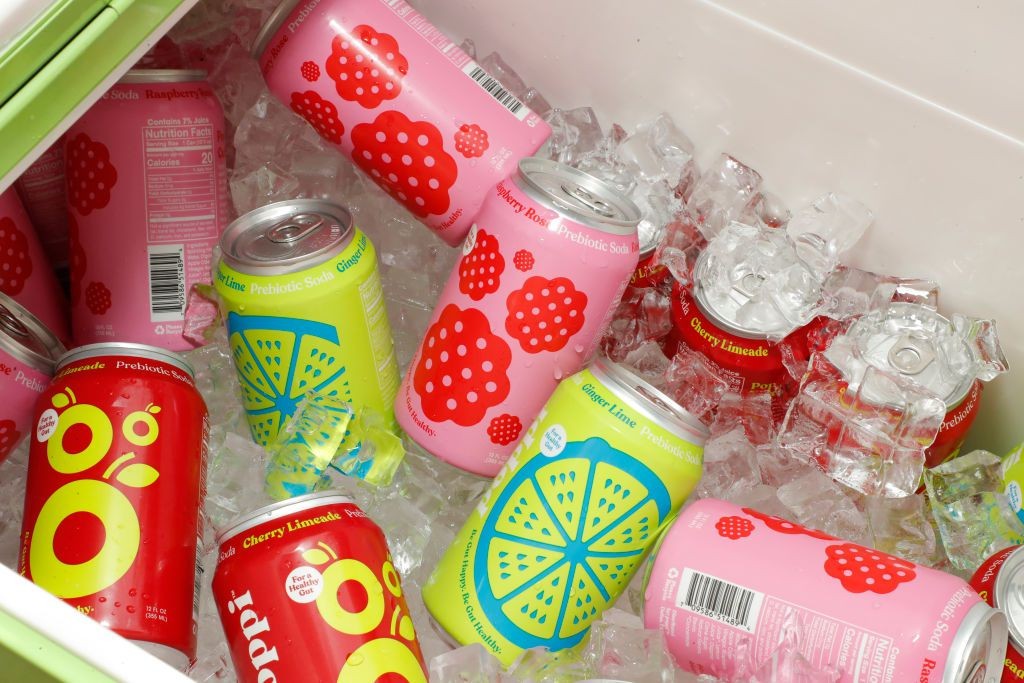
Unlike probiotics—live bacteria found in fermented foods like kombucha—prebiotics are non-digestible plant fibers that feed the beneficial bacteria in your gut. Registered dietitian Kimberly Gomer explains that these fibers travel to the lower digestive tract, where they provide sustenance for a healthy microbiome. Brands like Poppi and Olipop capitalize on this by adding prebiotics, primarily inulin from chicory root, to their carbonated beverages. Some also include apple cider vinegar, which contains pectin, alongside various minerals and herbs.
Healthier Than Regular Soda?
The answer is a qualified yes. Most prebiotic sodas contain significantly less sugar than traditional sodas. For example, a can of Olipop has about 2 grams of fiber and 4-5 grams of added sugar, compared to 35-40 grams in a typical can of Coke. This also translates to fewer calories: 35 in Olipop versus 150 in Coke. Crucially, prebiotic sodas avoid high-fructose corn syrup, a sweetener linked to health issues like diabetes and obesity.
Do They Actually Benefit Health?
Prebiotic fibers can stimulate the growth of good gut bacteria, which in turn produce short-chain fatty acids that may reduce inflammation, regulate appetite, and stabilize blood sugar. However, some experts caution that the processed fiber in these sodas may not be as effective as fiber from whole foods. According to Amy Shapiro, the fiber may ferment too quickly, failing to reach the microbes in the large intestine.
While the benefits may be exaggerated, prebiotic sodas still offer some advantage. Olipop, for example, combines multiple prebiotics from sources like cassava root, artichoke, and nopal cactus, which can aid digestion and stabilize blood sugar. Poppi uses apple cider vinegar, which may improve blood sugar levels and provide antioxidants, though definitive research is lacking.
Potential Downsides and Alternatives
Prebiotic sodas are not a miracle cure. Gomer warns that excessive consumption could lead to gas and bloating due to the fiber content, recommending no more than one can per day. Individuals with SIBO, IBS, Crohn’s disease, or colitis should avoid them altogether. High inulin intake (30 grams daily) has been linked to inflammation and liver damage, but reaching that dosage requires drinking multiple cans daily.
If gut health is your goal, whole foods are far superior. Bananas, apples, artichokes, asparagus, flaxseed, garlic, and oats are excellent sources of prebiotic fiber. For a healthier alternative to soda, consider sparkling water with fresh fruit slices or herbal tea.
Ultimately, while prebiotic sodas may be a better choice than traditional sugary drinks, they should not be seen as a substitute for a balanced diet rich in whole foods. They offer a small benefit, but real gut health comes from consistent, mindful eating.