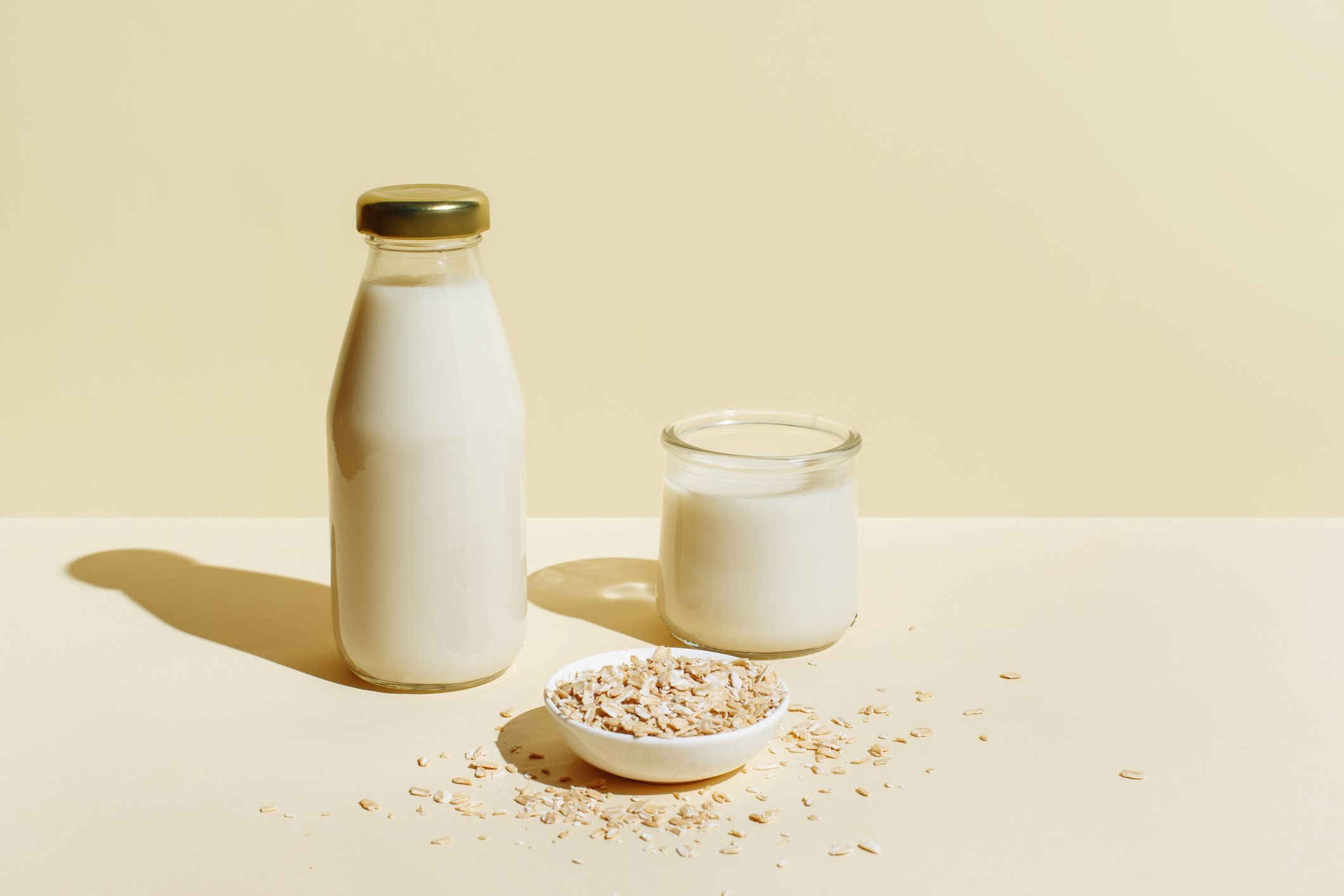
Oat milk’s rising popularity as a dairy-free alternative doesn’t mean it’s neutral for everyone. While naturally vegan and lactose-free, oat milk has a higher carbohydrate content than most other plant-based milks, which can impact blood sugar levels—especially for those monitoring their intake closely.
What Makes Oat Milk Different?
Oat milk is made by blending oats with water. However, commercial brands often add ingredients to improve texture and taste, including:
- Amylase enzymes : These break down starch into simpler sugars, like maltose, which are absorbed faster.
- Emulsifiers (like lecithin) : These prevent separation and maintain a consistent texture.
- Oils (like canola or sunflower) : These also help with texture and prevent separation.
- Added sugars and flavorings : Many oat milks are sweetened, increasing the carb load.
- Fortified vitamins/minerals : Some brands add nutrients like B12 or vitamin D, but plain oat milk is not naturally rich in these.
How Oat Milk Affects Blood Sugar
Oat milk has a moderate glycemic index (GI) of 59.6, meaning it can cause a noticeable rise in blood sugar. The effect depends on how much you drink and what you drink it with. A sugary oat milk latte will spike blood sugar faster than plain oat milk paired with protein-rich foods like eggs.
One cup of unsweetened oat milk contains 14 grams of carbohydrates but only 1.9 grams of fiber and 4 grams of protein. Fiber and protein slow sugar absorption, so combining oat milk with these nutrients is key.
Oat Milk vs. Alternatives
Compared to other plant-based milks, oat milk stands out in its carbohydrate content:
- Oat milk: 14g carbs per cup
- Coconut milk: 7g carbs per cup
- Almond milk: 3.4g carbs per cup
- Soy milk: 3.2g carbs per cup
For those watching carbs (such as individuals with diabetes or on keto diets), almond, coconut, or soy milk may be better choices. Sweetened oat milk varieties contain even more carbohydrates than unsweetened ones.
Should You Avoid Oat Milk?
Not necessarily. Choosing unsweetened oat milk can minimize added sugar intake and lower the risk of unwanted blood sugar spikes. If you enjoy oat milk, pairing it with protein or fiber-rich foods is a smart way to blunt its impact.
However, people with high blood sugar, insulin resistance, or following strict low-carb diets should consider lower-carb alternatives more often. The key takeaway is simple: moderation and informed choices matter.
Oat milk is not inherently “bad,” but its carbohydrate content makes it a less ideal daily staple for some individuals compared to other plant-based options.