


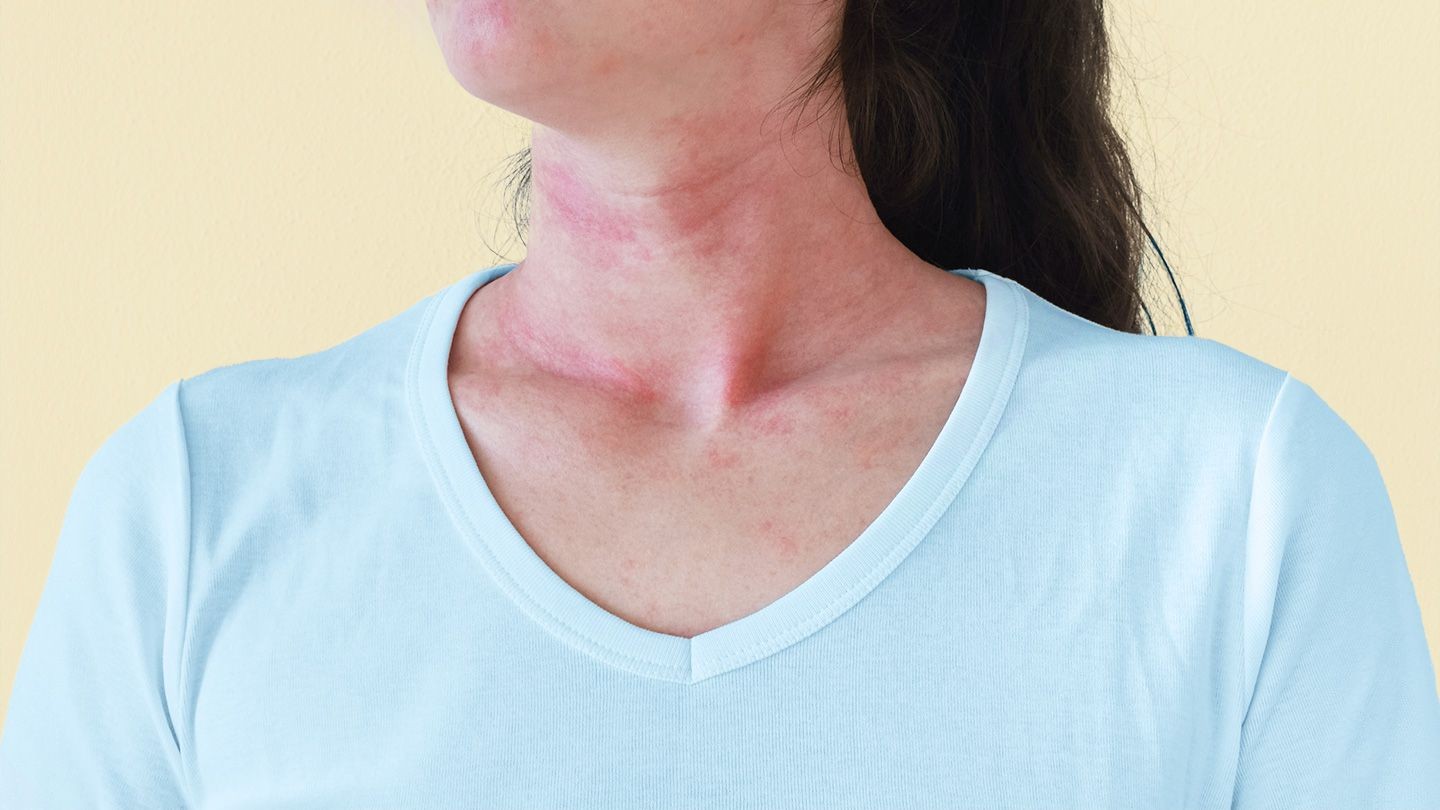
Detox diets – often marketed as quick fixes for weight loss and overall health – can sometimes backfire, leading to unexpected side effects like skin rashes. While proponents claim these diets “flush out toxins,” experts say the reality is more complex. Your body already has efficient detoxification systems (liver, kidneys, gut, lungs), and restrictive diets may disrupt those natural processes rather than enhancing them.
Why Rashes Happen on Detox Diets
The connection between detox diets and skin rashes isn’t about toxins being “released” through the skin. Instead, it’s usually a result of imbalances or reactions caused by the diet itself. Here’s how:
- Supplement Overload: Some detox plans include high doses of vitamins and minerals, which can overwhelm the body and trigger skin reactions. For example, excessive B vitamins have been linked to rashes, hives, and itching.
- Nutrient Deficiencies: Severely restricting food groups can lead to deficiencies in essential fatty acids, zinc, and other nutrients crucial for skin health. A weakened skin barrier makes you more prone to irritation.
- Keto Rash (Prurigo Pigmentosa): Very low-carb diets, like the ketogenic diet, can sometimes cause this itchy, red rash as the body adapts to burning fat instead of carbs.
- Allergies and Sensitivities: Introducing new foods or eliminating familiar ones can reveal hidden allergies or sensitivities, leading to hives, eczema, or itching.
- Gut Health Disruptions: Detox diets can alter gut bacteria, potentially worsening skin conditions like acne, psoriasis, or rosacea, which are linked to gut imbalances.
Types of Detox Diets and Their Risks
Detox regimens vary widely, each with its own potential drawbacks:
- Liquid Diets: Relying solely on juices, smoothies, or soups severely restricts nutrient intake, increasing the risk of deficiencies.
- Liver/Kidney Cleanses: While some foods (garlic, turmeric, beets) support these organs, there’s no evidence that specific “cleanses” dramatically improve function.
- Colon Cleanses: Fiber-rich foods and hydration are healthy, but aggressive colon cleansing can disrupt gut bacteria and cause dehydration.
What to Do If You Get a Detox Rash
Mild rashes often resolve on their own with simple care:
- Use fragrance-free skincare and unscented soap.
- Apply over-the-counter 1% hydrocortisone cream for temporary relief.
However, persistent or severe rashes require a dermatologist’s evaluation. Conditions like keto rash may need antibiotics, while other rashes could indicate allergies or deeper deficiencies.
The Bottom Line
There’s limited scientific evidence that detox diets effectively remove toxins. If you experience a rash while on one, it’s a sign something is wrong – not that the diet is “working.” Consulting a healthcare professional before starting any restrictive diet is crucial to ensure it’s safe and appropriate for your needs. A balanced, whole-foods diet with adequate hydration and exercise is a far more sustainable approach to health.


