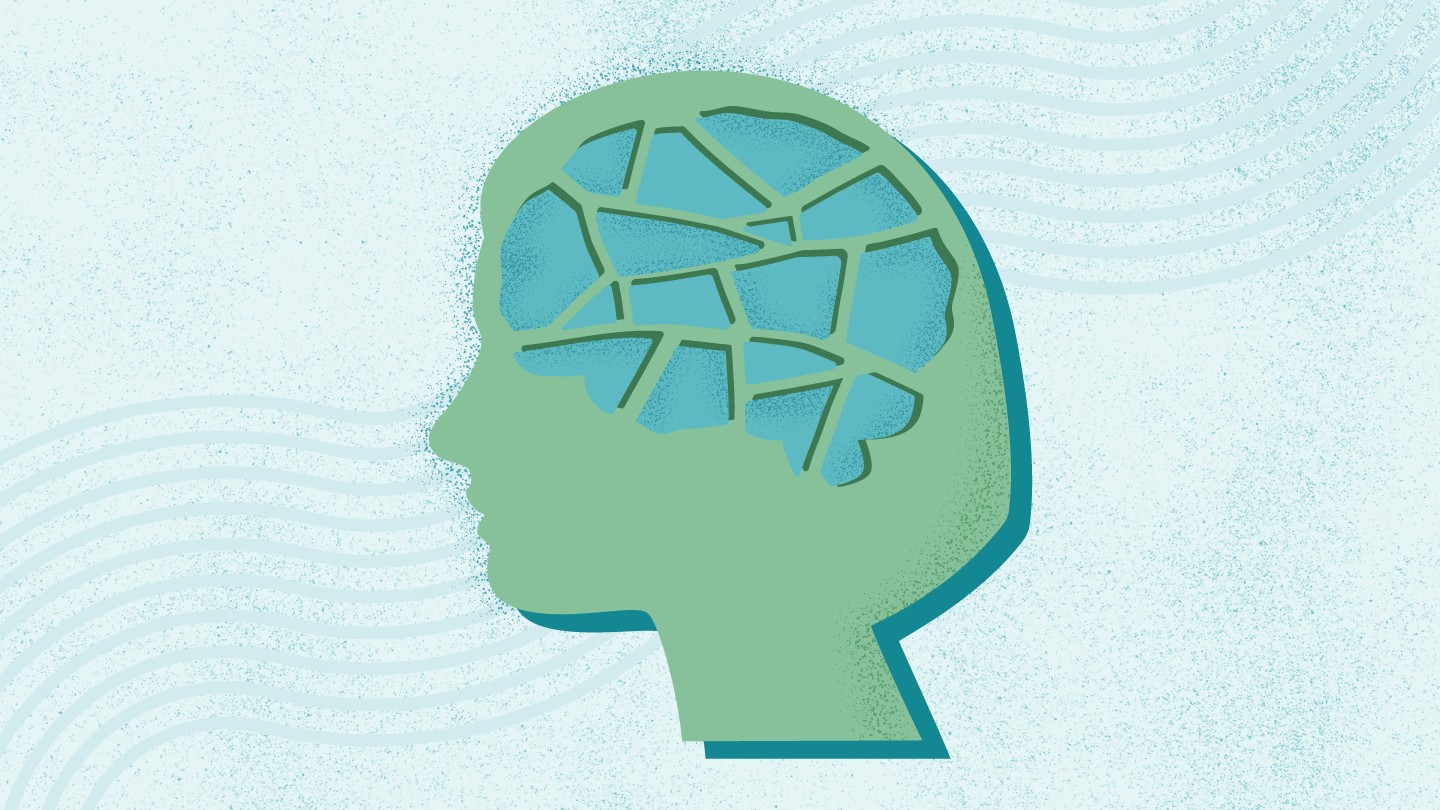
Post-traumatic stress disorder (PTSD) is a mental health condition that develops in response to a terrifying or deeply distressing event. This can include direct exposure to trauma—like combat, assault, or a natural disaster—but also witnessing trauma happen to others, or even learning about a traumatic event experienced by a loved one. The core issue is that the brain and body become stuck in a high-alert state, long after the immediate danger has passed.
Around 7% of Americans will experience PTSD at some point in their lives, making it a surprisingly common condition. Left untreated, it can significantly disrupt daily functioning, relationships, and overall well-being. Understanding the signs, triggers, and available treatments is essential for anyone affected—either personally or through supporting a loved one.
How PTSD Manifests: Four Key Symptom Clusters
PTSD isn’t a single experience; it presents in distinct ways. To receive a diagnosis, symptoms must persist for at least one month and cause significant distress. The four main symptom clusters include:
-
Reexperiencing the Trauma: This involves intrusive memories, flashbacks (feeling as if you’re reliving the event), and nightmares. These can be triggered by everyday stimuli – a smell, a sound, or a specific location – that unconsciously reminds the brain of the original trauma. Physical responses like sweating and a racing heart are common during these episodes.
-
Avoidance: People with PTSD often go to great lengths to avoid anything that reminds them of the trauma. This can mean avoiding people, places, or even specific thoughts and feelings. This avoidance isn’t a sign of weakness, but rather a natural attempt by the brain to protect itself from overwhelming distress. However, avoidance can lead to unhealthy coping mechanisms like substance abuse, as people try to numb their emotions.
-
Hyperarousal: This is characterized by a constant state of heightened alertness – being easily startled, having difficulty concentrating, and experiencing sleep disturbances. The nervous system remains stuck in “fight-or-flight” mode, scanning for danger even when none exists.
-
Negative Mood and Cognitive Changes: Trauma can fundamentally shift how someone views themselves and the world. This may include persistent negative beliefs (“I’m worthless,” “The world is unsafe”), feelings of shame, difficulty experiencing positive emotions, and memory gaps related to the trauma. The blame often falls inward, with survivors questioning what they could have done differently, even when the event was entirely beyond their control.
Risk Factors and Biological Changes
The primary risk factor for PTSD is exposure to trauma itself. The more traumatic events a person experiences, the higher their risk. But why does trauma lead to PTSD in some people and not others?
Research suggests that trauma causes physical changes in the brain. The amygdala, responsible for the fight-or-flight response, becomes overactive. At the same time, the prefrontal cortex, which handles reasoning and decision-making, may show reduced connectivity. This means the brain struggles to regulate emotions and assess threats accurately.
Other risk factors include severe injury during the trauma, experiences of sexual or physical assault, and military combat exposure. Women are diagnosed with PTSD at roughly twice the rate of men, suggesting a potential genetic component.
Additionally, there’s growing evidence of intergenerational trauma transmission: trauma experienced by a mother can increase the risk of PTSD in her child, possibly due to in-utero neurodevelopmental effects or early-life caregiver interactions.
Diagnosis and Treatment Options
Not everyone who experiences trauma develops PTSD. Some people experience acute stress reactions that resolve on their own, or with minimal support. However, if distressing symptoms persist beyond a month, seeking professional help is crucial.
Mental health professionals use structured interviews and self-assessment tools (like the Clinician-Administered PTSD Scale for DSM-5) to diagnose PTSD. But a good diagnosis isn’t just about checking boxes on a questionnaire; it requires a nuanced understanding of the individual’s experience.
Effective treatments include:
- Cognitive Processing Therapy (CPT): Helps reframe negative thoughts and beliefs related to the trauma.
- Eye Movement Desensitization and Reprocessing (EMDR): Uses guided eye movements to help the brain reprocess traumatic memories.
- Prolonged Exposure Therapy (PET): Gradually exposes the individual to trauma-related stimuli in a safe environment.
- Medication: Antidepressants (SSRIs and SNRIs) can help manage symptoms like anxiety and depression.
Complementary therapies like acupuncture, yoga, and meditation may also provide relief, though more research is needed.
Breaking Down the Stigma: PTSD is Treatable
The biggest barrier to recovery is often stigma. People with PTSD are frequently labeled as dangerous, unstable, or weak. This leads to self-stigma, shame, and reluctance to seek help. This is dangerous because PTSD is treatable, but only if people feel safe enough to come forward.
The truth is that survivors of trauma are often incredibly resilient. Seeking help isn’t a sign of weakness; it’s a sign of strength. If you or someone you know is struggling with PTSD, remember that recovery is possible, and support is available.
If you are experiencing suicidal thoughts, reach out for help immediately. The National Suicide Prevention Lifeline is available 24/7 at 988.