Iron deficiency is a common health concern, affecting energy levels, immune function, and overall well-being. While meat is often touted as the best iron source, many vegetables pack a surprising nutritional punch. This article breaks down eight iron-rich vegetables, outlining their benefits and how they fit into a balanced diet.
Why Iron Matters: A Quick Overview
The recommended daily intake of iron is around 18 milligrams for most adults. Iron is crucial for oxygen transport in the blood, preventing fatigue, and supporting cognitive function. There are two types of dietary iron:
- Heme iron: Found in animal products, it’s easily absorbed by the body.
- Non-heme iron: Found in plant-based foods, it requires some dietary adjustments for optimal absorption (more on that later).
The Top 8 Iron-Rich Vegetables
Here’s a breakdown of eight vegetables that can significantly contribute to your daily iron intake:
- Lentils (6.59mg/cup boiled, 37% DV) : Often categorized as legumes, lentils are a versatile ingredient for soups, stews, or even vegan “meatloaf.” They’re also high in protein, fiber, and other essential nutrients like folate and potassium.
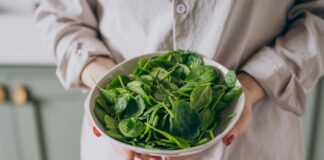
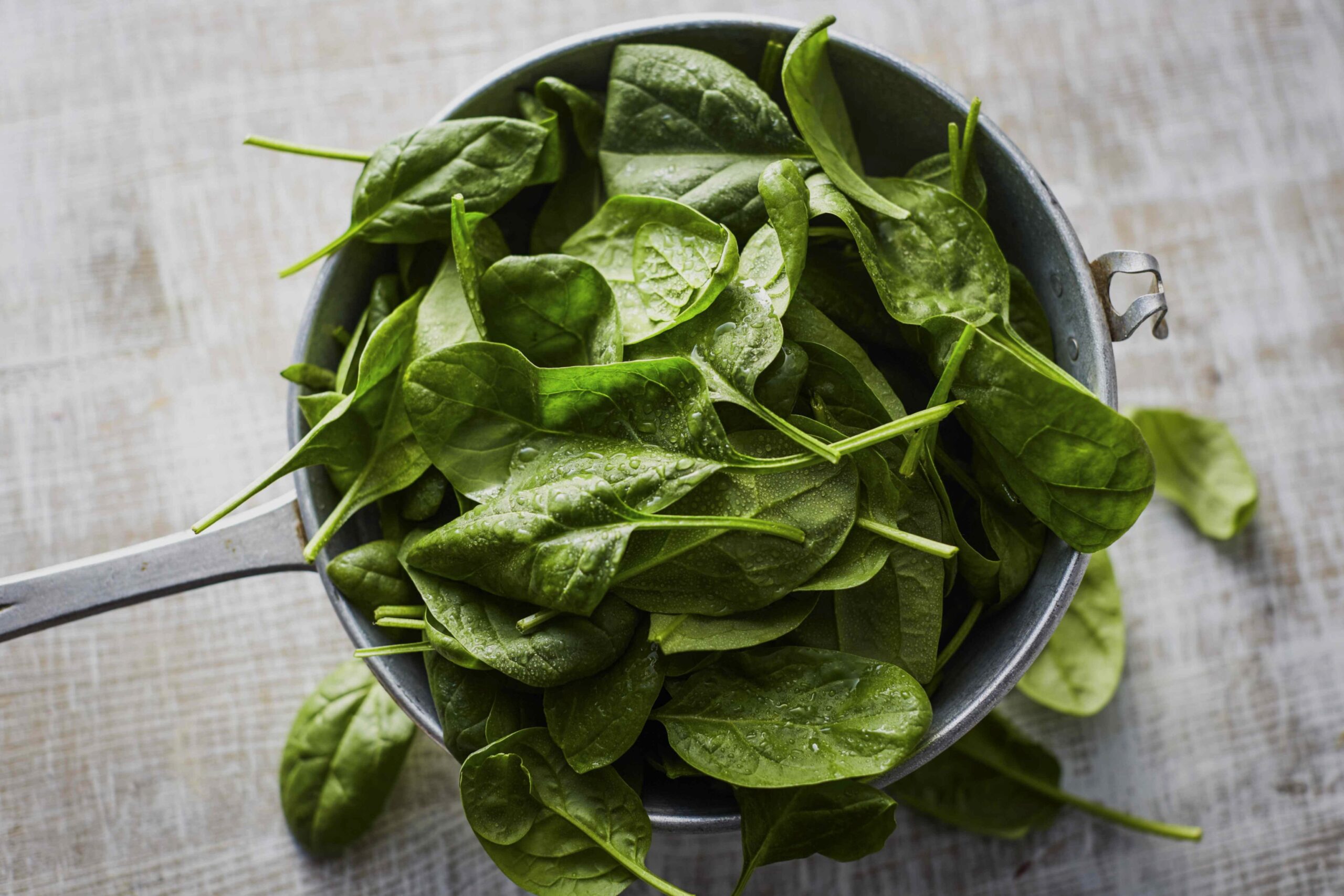
- Spinach (6.43mg/cup boiled, 35.7% DV) : Beyond iron, spinach is packed with vitamin K (for blood clotting and bone health) and vitamin A (for vision and immunity). It also provides magnesium, potassium, calcium, and beneficial antioxidants.
- Chickpeas (4.74mg/cup boiled, 26.3% DV) : Also known as garbanzo beans, chickpeas are another legume that aids in weight management, blood sugar control, and insulin regulation. They can be roasted, ground into flour, or blended into hummus for a nutrient-dense snack.
- Chard (3.96mg/cup boiled, 22% DV) : This leafy green, related to spinach and beets, is low in calories but rich in fiber, vitamins A, K, and C, and antioxidants like lutein and zeaxanthin for eye health.
- Parsley (3.7mg/cup, 20.5% DV) : Often used as a garnish, parsley is surprisingly high in vitamins A, K, and C, as well as folate and beta-carotene. Add it to salads, smoothies, or soups for extra nutrients.
- Leeks (3.7mg/cup, 20.5% DV) : A member of the onion family, leeks can be eaten raw or cooked in various dishes.
- Edamame (3.52mg/cup cooked, 19.6% DV) : These immature soybeans are a complete protein source, also providing folate, calcium, potassium, magnesium, and healthy fats.
- Dandelion Greens (3.55mg/cup cooked, 19.7% DV) : Often dismissed as weeds, dandelion greens are highly nutritious, offering vitamins A and K, potassium, calcium, and antioxidants. Add them to salads or soups for a unique nutritional boost.
Maximizing Iron Absorption From Plant-Based Foods
Since non-heme iron from plants is less readily absorbed (2-10% absorption rate), consider these strategies:
- Combine with Vitamin C : Consuming vitamin C-rich foods alongside iron-rich vegetables enhances absorption. Think bell peppers, citrus fruits, or broccoli.
- Avoid Inhibitors : Limit tea, coffee, calcium-rich foods, and phytates (found in grains and legumes) during iron-rich meals, as they can hinder absorption.
Conclusion:
Including these eight vegetables in your diet is a simple yet effective way to increase your iron intake. By understanding the difference between heme and non-heme iron and employing strategies to maximize absorption, you can ensure optimal health and energy levels.