Antibiotics are a cornerstone of modern medicine, effectively treating bacterial infections. However, a recent study published in Nature Medicine reveals that their effects on the gut microbiome can persist for years —even up to eight years after a single course. This finding underscores the critical need to actively support gut health during and after antibiotic treatment.
The Study and Its Findings
Researchers in Sweden analyzed data from nearly 15,000 adults, linking antibiotic prescriptions to detailed gut microbiome profiles from stool samples. The analysis revealed that even antibiotics taken four to eight years prior were still associated with measurable differences in gut bacteria composition. While short-term disruptions are well-known, the longevity of these changes was surprising.
Certain antibiotics, such as clindamycin, fluoroquinolones, and flucloxacillin, had the most pronounced and lasting effects. Penicillin V, a more commonly prescribed antibiotic, showed smaller and shorter-lived impacts. This matters because a diverse gut microbiome is linked to stronger immunity, better digestion, and even mental well-being. Prolonged disruption can lead to chronic inflammation, digestive issues, and increased susceptibility to future infections.
Why Gut Health Matters
The gut microbiome is a complex ecosystem of trillions of bacteria, fungi, and other microbes essential for overall health. Antibiotics don’t discriminate; they kill both harmful and beneficial bacteria, creating imbalances that can take years to fully recover. These imbalances aren’t just theoretical; they can contribute to:
- Weakened Immunity: The gut microbiome plays a crucial role in training the immune system.
- Digestive Problems: Imbalances can cause bloating, diarrhea, or constipation.
- Increased Risk of Infections: A depleted microbiome leaves you more vulnerable to opportunistic pathogens.
Strategies to Support Gut Recovery
The good news is that you can mitigate the long-term effects of antibiotics by proactively supporting your gut microbiome. Here are five evidence-backed strategies:
- Fermented Foods: Incorporate yogurt, kefir, kimchi, sauerkraut, miso, and kombucha into your diet before, during, and after antibiotic treatment. These foods introduce live bacteria that can help repopulate the gut.
- Probiotic Supplements: Consider a high-quality probiotic supplement with clinically studied strains. Take it a few hours apart from your antibiotic dose to maximize effectiveness.
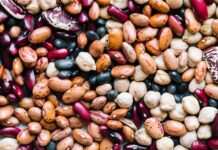
- Fiber-Rich Diet: Feed your gut microbes with prebiotic fibers from oats, legumes, lentils, garlic, onions, and chia seeds. Fiber nourishes beneficial bacteria and supports short-chain fatty acid production, essential for gut health.
- Polyphenol-Rich Plants: Include berries, olive oil, nuts, dark chocolate, herbs, and colorful vegetables in your diet. Polyphenols interact with gut microbes, promoting the growth of beneficial species.
- Long-Term Resilience: Prioritize gut health year-round by eating a wide variety of plant foods, including fermented foods regularly, and focusing on fiber intake. This builds microbiome diversity and strengthens its ability to recover from disruptions.
Conclusion
Antibiotics save lives, but their impact on the gut microbiome is undeniable and can last for years. The key takeaway isn’t to avoid antibiotics when necessary, but to proactively support gut health before, during, and after treatment. A resilient, diverse microbiome is the foundation of long-term well-being, and it requires consistent care.