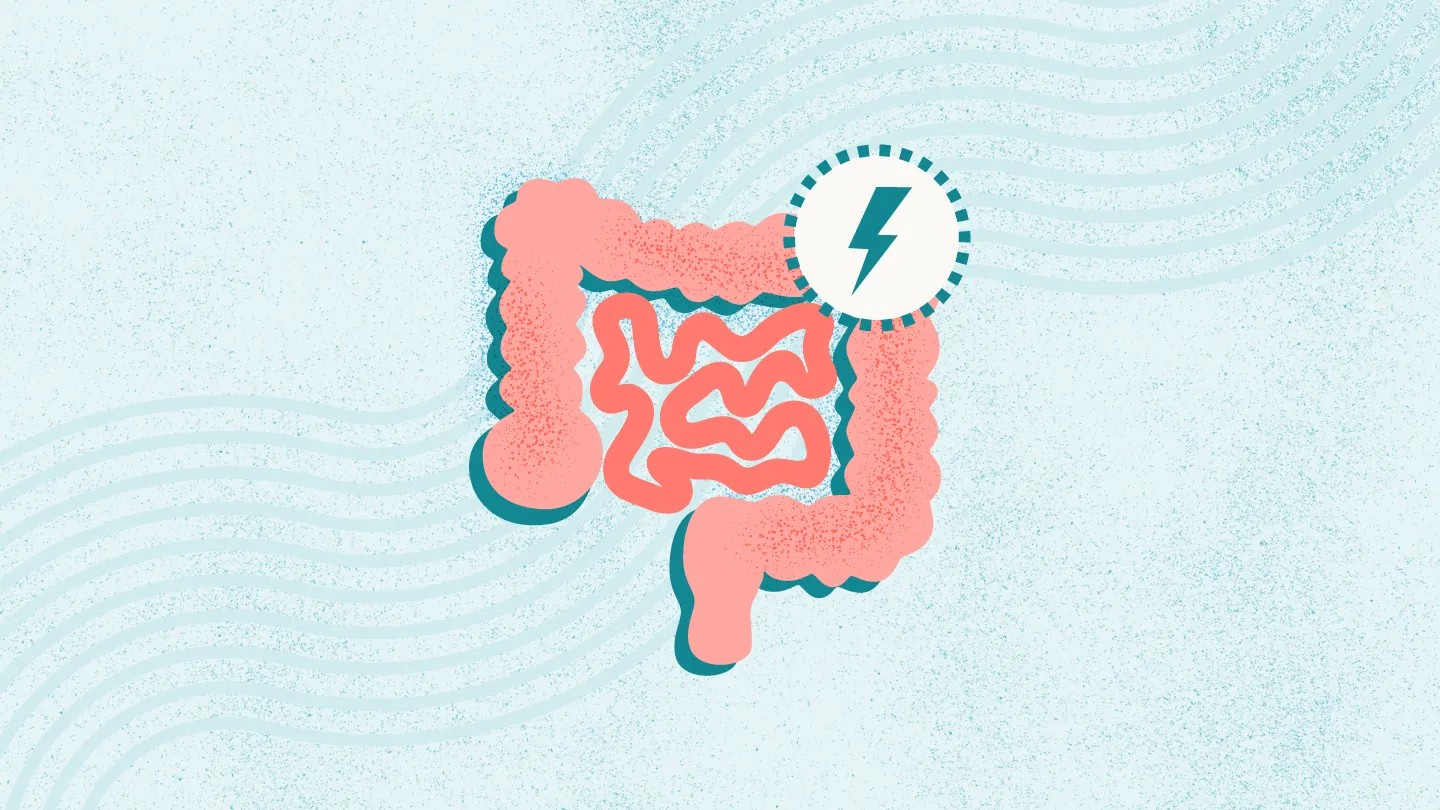
Irritable bowel syndrome (IBS) is a common, chronic gastrointestinal disorder affecting the small and large intestines. It causes discomfort, pain, and altered bowel habits – but crucially, it does not cause permanent damage or increase cancer risk unlike inflammatory bowel disease (IBD). While often frustrating, IBS is manageable through lifestyle adjustments and medical interventions.
What Exactly Is IBS?
At its core, IBS stems from a miscommunication between the brain and the gut. This leads to heightened sensitivity in the digestive tract, triggering symptoms like abdominal pain, bloating, diarrhea, and constipation. The exact cause remains unknown, but research points to a combination of factors.
IBS is categorized into three main types based on predominant stool patterns:
- IBS with diarrhea (IBS-D): Frequent loose, watery stools.
- IBS with constipation (IBS-C): Hard, lumpy stools and difficulty passing them.
- IBS with mixed bowel habits (IBS-M): Alternating between diarrhea and constipation.
The Gut-Brain Connection: Why IBS Happens
The brain and gut are intimately connected via the enteric nervous system – often called the “second brain.” This network governs digestion, controlling muscle contractions and fluid secretion. Stress, infections, or nerve issues can disrupt this system, leading to IBS symptoms.
Interestingly, research suggests IBS shares genetic similarities with psychiatric disorders, highlighting the strong link between mental and digestive health. The body physically reacts to stress, and for some, that response manifests in the gut.
Common Triggers and Risk Factors
While there’s no single cause, several factors can increase your risk of IBS or worsen symptoms:
- Early Life Stress: Traumatic experiences may alter gut function.
- Gut Infections: Viral or bacterial infections can leave lasting effects on the digestive system.
- Muscle Contractions: Abnormal colon muscle activity can cause cramping or constipation.
- Gut Microbiome: Imbalances in gut bacteria may contribute to IBS.
- Food Sensitivities: Some people react to dairy, wheat, citrus, or carbonated beverages.
- Age and Gender: IBS is more common in people under 50, particularly women due to hormonal influences.
- Mental Health: Depression and anxiety are strongly linked to IBS.
Diagnosing IBS: What to Expect
Diagnosis relies primarily on symptom assessment. Doctors look for recurring abdominal pain, changes in bowel habits, and stool consistency. Blood tests, stool tests, colonoscopies, or upper endoscopies may be used to rule out more serious conditions like IBD or celiac disease.
The Rome IV criteria are often used: pain at least once a week for three months, along with changes in bowel movements or stool form.
Treatment Options: What Works?
There’s no one-size-fits-all cure for IBS, but management is possible. Treatment strategies include:
- Dietary Changes: A low-FODMAP diet can reduce gas, bloating, and diarrhea by eliminating poorly digested carbohydrates. Working with a dietitian is key for safe implementation. Other diets emphasizing proteins and fats have also shown benefits.
- Medications:
- For Diarrhea: Loperamide (Imodium), eluxadoline (Viberzi), or rifaximin (Xifaxan) can slow bowel movements.
- For Constipation: Laxatives, lubiprostone (Amitiza), or linaclotide (Linzess) can increase fluid secretion in the intestine.
- Complementary Therapies:
- Peppermint Oil: May reduce spasms in the digestive tract.
- Probiotics: Their effectiveness is still debated but may help some individuals.
- Cognitive Behavioral Therapy (CBT): Addresses symptom-related anxiety and stress.
- Gut-Directed Hypnotherapy: Retrains the brain to respond differently to gut signals.
Lifestyle Factors Matter
Beyond medical interventions, lifestyle changes can significantly impact IBS symptoms:
- Stress Management: Techniques like meditation, yoga, or deep breathing exercises can help.
- Regular Exercise: Promotes digestive health and reduces stress.
- Adequate Sleep: Supports overall gut function.
- Fiber Intake: Soluble fiber can ease constipation or diarrhea, but excessive fiber can worsen bloating.
In conclusion, IBS is a complex condition that requires a personalized approach. Understanding the gut-brain connection, identifying triggers, and adopting a combination of dietary, medical, and lifestyle changes can effectively manage symptoms and improve quality of life.