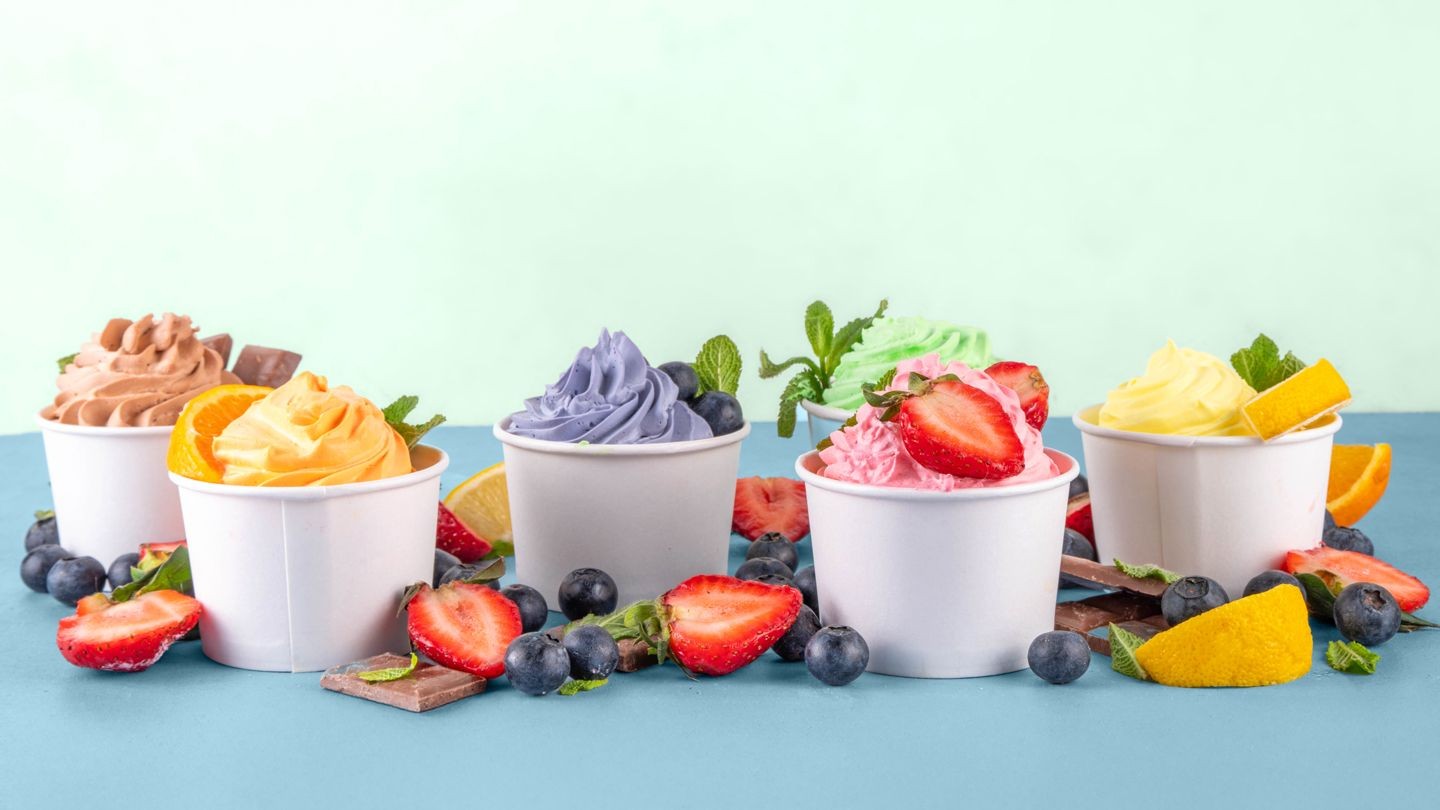
Frozen yogurt is experiencing a massive cultural resurgence. From viral TikTok trends to long lines at new boutique shops, the creamy treat that dominated the ’90s is back in the spotlight. However, this comeback brings an old nutritional debate to the forefront: Is frozen yogurt actually a healthier alternative to ice cream, or is it just marketing in a cup?
While the two desserts may look similar, their compositions and nutritional profiles offer different benefits—and different pitfalls.
Understanding the Core Differences
The primary distinction between these two treats lies in their base ingredients and the fermentation process.
Ice Cream: The Creamy Classic
To be legally labeled “ice cream” in the U.S., the Department of Agriculture requires a product to contain at least 10% milk fat. It is typically crafted from a blend of milk and cream, supplemented with sweeteners, flavorings, and stabilizers to maintain a smooth, consistent texture.
Frozen Yogurt: The Cultured Alternative
Frozen yogurt is traditionally made from cultured milk —milk that has undergone fermentation by “good” bacteria (live active cultures).
– Fat Content: Historically, frozen yogurt has been lower in fat because it uses milk rather than heavy cream. However, modern manufacturing has blurred this line, with many brands now using whole milk or even adding cream to mimic the richness of ice cream.
– The Probiotic Factor: While the “live cultures” are a hallmark of yogurt, the freezing process and high sugar content in many commercial frozen yogurts can actually kill these beneficial bacteria. Supermarket pints are generally more likely to retain live cultures than soft-serve versions found in shops.
The Nutritional Breakdown: A Side-by-Side Comparison
When comparing a standard half-cup serving of vanilla ice cream to vanilla frozen yogurt, the differences are often smaller than consumers expect.
| Nutrient (per ½ cup) | Vanilla Ice Cream | Vanilla Frozen Yogurt |
|---|---|---|
| Calories | 137 | 114 |
| Total Fat | 7.26g | 4g |
| Protein | 2.3g | 2.9g |
| Carbohydrates | 15.6g | 17.4g |
| Sugar | 14g | 17.3g |
Note: Values are approximate and vary significantly by brand.
The Protein and Sugar Paradox
A common misconception is that frozen yogurt is a high-protein health food. While it does offer a slight edge in protein (usually less than 1 gram more than ice cream), the difference is negligible for most diets. The exception is Greek-style frozen yogurt, which can provide significantly more protein—roughly 5g per serving compared to the ~3g found in standard varieties.
The real “hidden” factor is sugar. As the data shows, frozen yogurt often contains more sugar and carbohydrates than traditional ice cream. This is a critical point for those managing blood sugar or attempting to reduce calorie intake through “healthier” swaps.
Which Should You Choose?
The “healthiest” option depends entirely on your specific nutritional goals.
- If you are watching fat intake: Frozen yogurt is often the better choice, provided you check the label for added fats.
- If you are watching sugar intake: Traditional ice cream may actually be the safer bet, as many frozen yogurts are heavily sweetened to compensate for the tartness of the cultured milk.
“Any dessert is tasty because of its fat and sugar content,” notes dietitian Emily Villaseca. “Both ice cream and fro-yo can be part of a healthy diet… being aware of what else you’re eating throughout the day makes it easier to decide.”
Conclusion
Neither dessert is a “superfood”; both are treats designed for enjoyment through fat and sugar. The best choice is not determined by the label on the tub, but by how a specific brand’s sugar and fat content fits into your overall daily nutrition.