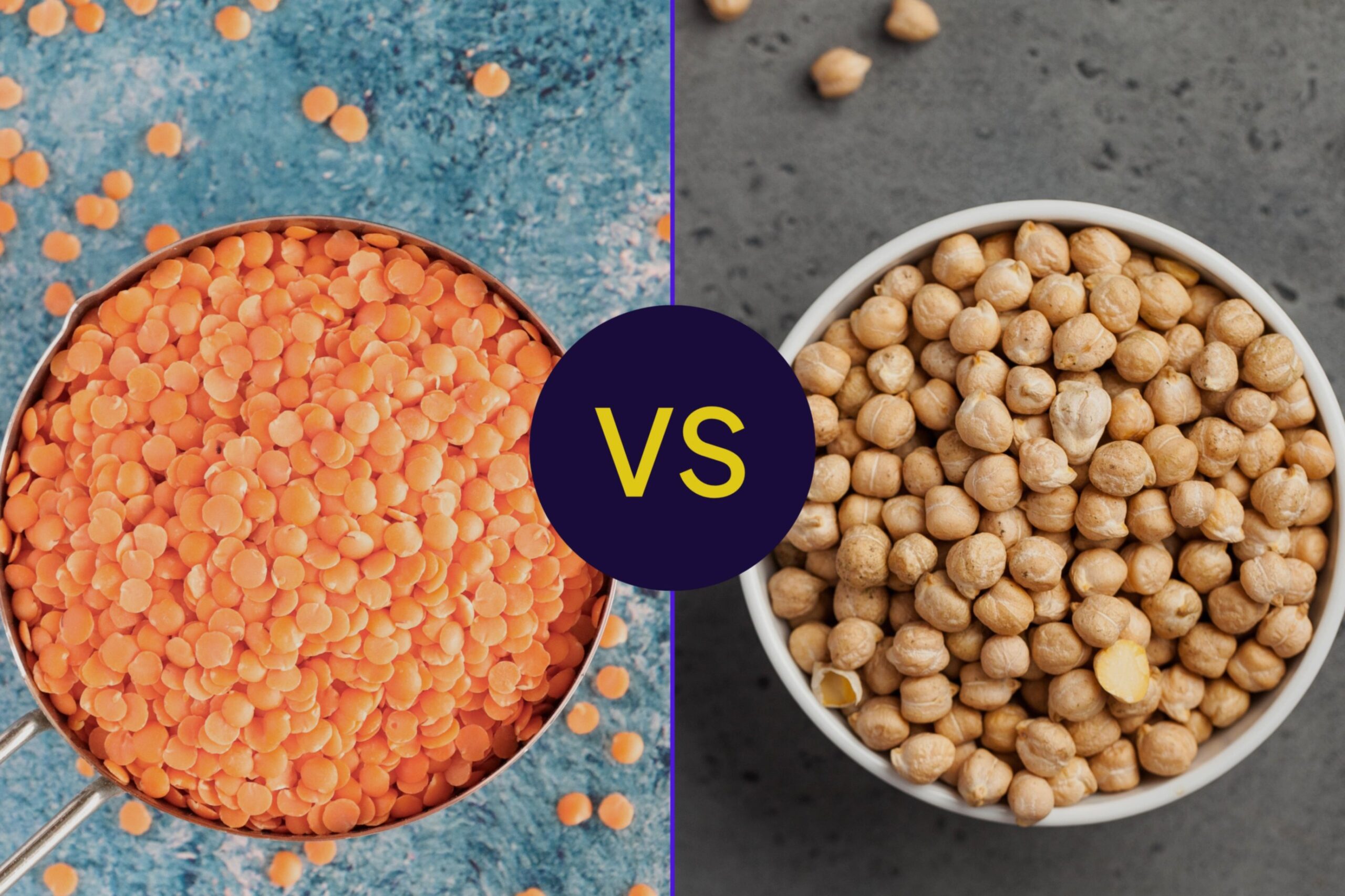
For anyone following a plant-based diet or simply looking to improve their nutrition, the choice between lentils and chickpeas is a common dilemma. Both are nutritional powerhouses, serving as staples for fiber and protein. While they are remarkably similar, a closer look at the data reveals subtle differences that might influence your meal planning.
The Fiber Face-Off
Fiber is essential for digestive health, regulating blood sugar, and maintaining satiety (the feeling of being full). While both legumes are excellent sources, lentils hold a slight edge.
- Lentils: Provide approximately 15.6g of fiber per cooked cup.
- Chickpeas: Provide approximately 12.5g of fiber per cooked cup.
When looking at weight rather than volume (per 100g), the gap narrows even further, with lentils offering 7.9g compared to the 7.6g found in chickpeas. It is worth noting that the variety of lentil matters; for instance, green lentils typically offer more fiber than their red counterparts.
Protein Content and the “Complete Protein” Factor
If your primary goal is muscle repair and cellular health, protein is your priority. Once again, lentils take a narrow lead in raw numbers:
- Lentils: ~17.9g of protein per cooked cup.
- Chickpeas: ~14.5g of protein per cooked cup.
However, the real takeaway here isn’t just the quantity, but the quality. Neither lentils nor chickpeas are “complete proteins,” meaning they lack one or more essential amino acids required by the body.
Pro Tip: To ensure you are getting a full spectrum of amino acids, pair these legumes with whole grains (like rice or quinoa), nuts, or seeds. This “protein pairing” turns these legumes into a complete nutritional package.
Beyond Macros: Micronutrients and Metabolic Health
While fiber and protein are the headline stats, both legumes offer a diverse profile of vitamins and minerals that support vital bodily functions:
| Nutrient | Benefit | Winner/Note |
|---|---|---|
| Iron | Red blood cell production | Lentils (37% DV) vs. Chickpeas (26% DV) |
| Magnesium | Nerve & muscle function | Chickpeas (19% DV) vs. Lentils (17% DV) |
| Zinc | Immune support | Tie (Both provide ~23% DV) |
| Choline | Brain & nervous system | Tie (Both provide ~12-13% DV) |
Furthermore, both options are highly beneficial for blood sugar management. Because they have a low glycemic index, they digest slowly, preventing the sharp insulin spikes often associated with processed carbohydrates.
Practical Implementation and Dietary Tips
Choosing between them shouldn’t be an “either/or” decision. The most effective nutritional strategy is variety. Rotating between these legumes ensures a broader spectrum of micronutrients and prevents dietary boredom.
Ways to incorporate them:
* Lentils: Perfect for hearty soups, stews, or as a protein-rich base for salads.
* Chickpeas: Ideal for making homemade hummus, roasting for a crunchy snack, or adding texture to grain bowls.
⚠️ A Note on Convenience: If you opt for canned versions of either legume for convenience, be mindful of sodium levels. High salt content in canned goods can counteract some of the heart-health benefits of the legumes by increasing blood pressure. Always rinse canned legumes thoroughly or look for “low sodium” labels.
Conclusion: While lentils offer a slight advantage in fiber and protein density, both chickpeas and lentils are exceptional tools for a healthy diet. The key to maximizing their benefits lies in pairing them with grains and rotating your choices to ensure a diverse nutrient intake.