The study
May 2026. A new paper just dropped. It combines data from seventeen studies. Ninety-eight thousand people involved. The subject is simple enough: eat cruciferous veggies, get less colon cancer.
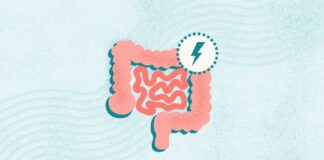
Colon cancer isn’t going away. It sits at the top of the charts, third most diagnosed worldwide, second leading killer among cancers. Worse? Younger people are getting it too. Under fifty. The link points to lifestyle and environment, which means the trap springs shut faster.
But that works both ways.
If environment opens the door, you can bar it shut with your fork. Food is leverage. Real leverage. This study confirms that specific type of food does exactly that. And you don’t need to force down bowls of kale to feel the difference.
Why the greens matter
We are talking broccoli, cauliflower, Brussels sprouts. Cabbage. Kale. Arugula. Watercress. They pack fiber, vitamin C, and flavonoids, but the heavy hitter is glucosinolate.
Sulfur-containing compounds. Unimpressive sounding.
Chew them, and an enzyme called myrosinase does the heavy lifting. It breaks those compounds down into isothiocyanates—think sulforaphane—and indoles. Previous research flagged these as anti-cancer. This meta-analysis just put a hard number on the hype.
Eat them, slash colon cancer risk by twenty percent.
Not ten percent. Not one percent. Twenty.
The good news is the bar isn’t high. Researchers saw the biggest drop-off—followed by a plateau—at 40 to 60 grams daily. Half to one serving.
Put that in perspective.
4-6 broccoli florets. Three sprouts. Half a cup of shredded kale.
Glucosinolates detoxify carcinogens. They block pathways that cancer uses. They reactivate tumor suppressors. They tell bad cells to kill themselves.
You only get these compounds naturally in these vegetables. Supplements exist, sure, but whole foods hit harder.
The boring stuff that works
Don’t stop at broccoli. Colon health is a system. Other moves shift the odds in your favor.
- Chase fiber. Your gut microbiome lives in the colon. Most Americans get sixteen grams of fiber daily. You need 25-38. Close the gap with plants or a quality supplement if you have to.
- Cut the cured meats. Salami. Hot dogs. The WHO calls them type 1 carcinogens. Same bucket as asbestos, basically. Leave it behind.
- Get some sun, or supplement it. Vitamin D levels correlate with lower colon cancer risk consistently. Food helps, but many need a boost.
The takeaway? It is almost disappointingly small. A small change. Half a serving. Once a day.
Twenty percent.
Not much to ask of a vegetable, right?