They do a lot now. Heart disease. Sleep apnea. Liver trouble. Diabetes, sure, but also this new thing: maybe cancer?
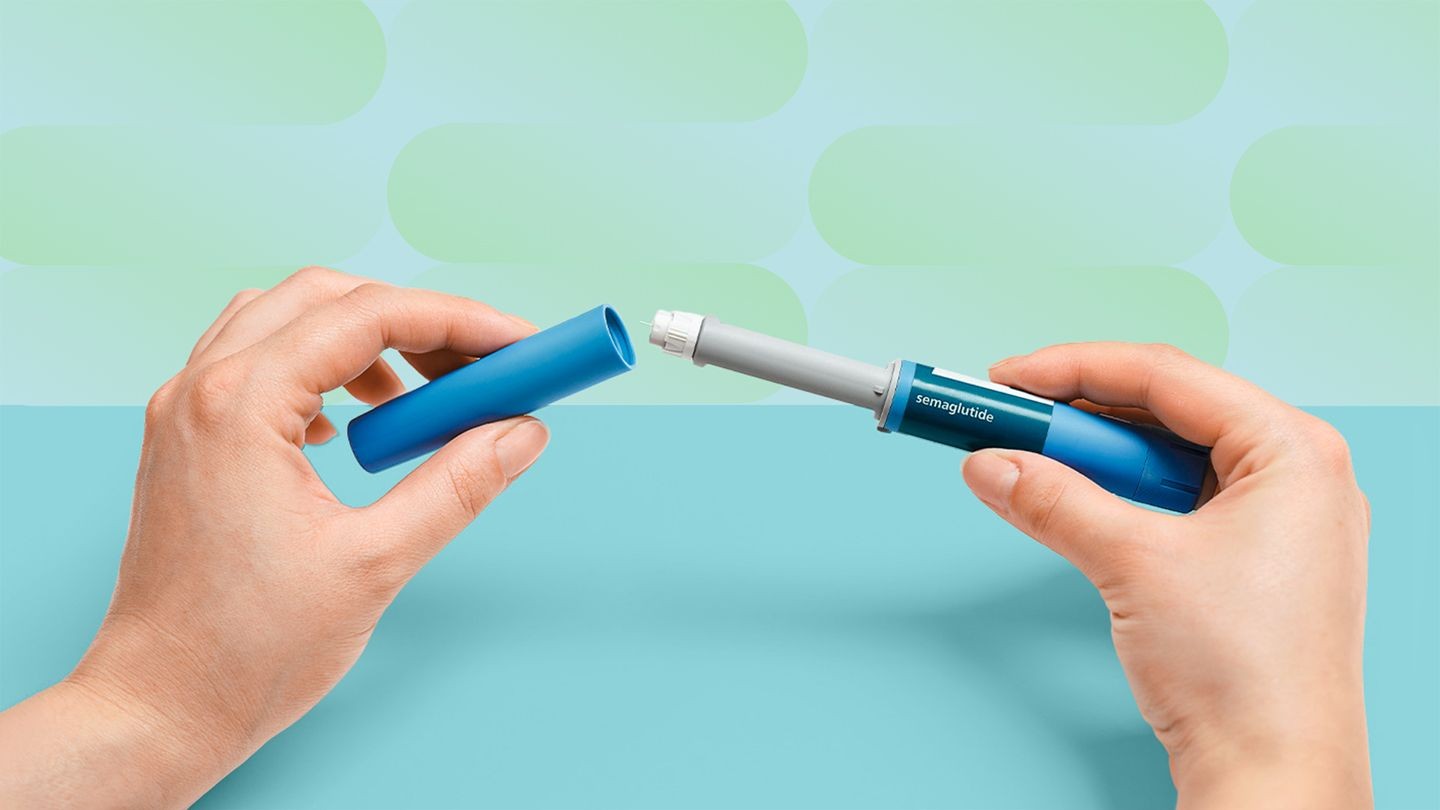
Early research suggests drugs like semaglutide (Ozempic, Wegovy) and tirzepatide (Mounjaro, Zepbound) might lower the risk of certain tumors. Maybe they even stop existing cancers from spreading.
But here’s the catch. Nobody knows for sure. Scientists are scrambling to figure out why this might happen. And they’ve definitely not said you should start injecting yourself just to avoid cancer. That would be silly. Dangerous, maybe. But definitely silly.
The Data Is Exciting. Also Inconclusive.
There were abstracts at ASCO this year. Over a dozen. All pointing in the same direction: GLP-1 benefits in cancer care.
Dr. Elizabeth McDonald from Penn Medicine sees the energy. She notes these aren’t just weight-linked cancers anymore. The drugs seem to touch every stage of the disease process.
“Protective benefits… across the entire cancer continuum.”
Primary prevention? Yes. Stopping progression? Maybe. Lowering recurrence? Possibly. It looks good. Too good to ignore, probably. But looking good isn’t proof.
Obesity Is The Problem. Not Just The Weight.
Excess body fat isn’t just cosmetic. It’s biochemical chaos. The International Agency for Research on Cancer links fatness to 13 specific cancers:
- Colorectal
- Endometrial
- Postmenopausal breast
- Gallbladder
- Kidney
- Liver
- Esophageal
- Ovarian
- Pancreatic
- Stomach
- Multiple myeloma
- Meningioma
- Thyroid
Dr. Sun Kim, an endocrinologist at Stanford, breaks it down. Obesity creates insulin resistance. Your body pumps out more insulin to cope. Insulin is a growth signal. Cancer cells like growth signals. It’s like handing a match to a arsonist in a library.
Plus, there’s chronic inflammation. Low-grade fire burning all the time. Tumors feed on that heat.
Then there’s fat tissue itself. It’s an organ, technically. And it pumps out extra estrogen. Estrogen fuels breast, uterine, and ovarian cancers. So weight loss helps. Obviously.
But here’s the weird part. GLP-1 drugs might help more than weight loss alone suggests.
Why Drugs Might Work Better Than Surgery
This is where it gets interesting.
A 2025 study compared people on GLP-1 meds against those who had had weight-loss surgery. The surgery patients lost more weight. Significantly more.
Yet, the GLP-1 users had lower cancer rates.
That implies the mechanism isn’t just scale-weight. Something else is happening. Three main theories dominate the conversation.
- Starving the cells. Cancer loves sugar. High blood sugar equals happy cancer cells. GLP-1s regulate sugar and insulin. No food? The tumor slows down.
- Putting out the fire. Those anti-inflammatory effects? They might make the body a hostile place for tumors to grow.
- Direct receptor signaling. Some tumors have GLP-1 docks on their surface. Data suggests high levels of these docks might actually correlate with longer survival, especially in breast cancer patients.
It’s complex. It’s messy. But it suggests a direct biochemical link, not just a weight-based one.
What The Big Studies Actually Show
We have data. Lots of it. But remember: correlation isn’t causation.
A study in JAMA Oncology tracked over 43,00 adults on GLP-1s against a matched group without. The GLP-1 group saw 13.6 cancers per 1,00 people-years. The control group hit 16.4.
Biggest drops? Endometrial cancer. Ovarian. Meningioma.
One oddity? Kidney cancer seemed to signal higher risk. Or maybe that’s noise. Needs more time.
Then there was Annals of Oncology. Looked at obese, non-diabetic people. GLP-1 vs diet counseling. The drug group saw fewer cancers across the board in just two years. Myeloma. Pancreas. Breast. All lower.
Dr. McDonald’s team looked at 112,00 women with breast imaging. Even after adjusting for BMI, age, density, and diabetes… GLP-1 users got less breast cancer.
And for people already diagnosed?
A 2026 meeting presentation looked at early-stage patients. Those on GLP-1s had 38-50% less chance of moving to stage 4 disease if they had lung, breast, bowel, or liver cancer.
Whoa.
Wait Before You Inject.
Hold on. Don’t run to the pharmacy yet.
These are observational studies. That’s the boring but vital limitation. Scientists look at existing data and try to guess why things happened. They can’t prove cause and effect. There are always hidden variables.
Dr. Kim is cautious. “Clinical trials are too short,” she says. Cancer takes years to develop. These studies last… well, not decades.
There’s also publication bias. Good news gets published. Bad news? Maybe not so much.
Until we have a massive, randomized clinical trial showing causality, we’re just guessing. Pretty educated guesses, but guesses nonetheless.
Do The Boring Stuff First
So what should you do?
Stick to the tried-and-true. The boring, unsexy stuff.
- Get to a healthy weight. (GLP-1s can help, obviously, but movement and diet count too).
- Eat well.
- Move your body.
- Go to the doctor.
- Get your screenings.
The GLP-1 cancer connection? It’s a promising hint. Not a promise. We’ll find out in time. Probably.