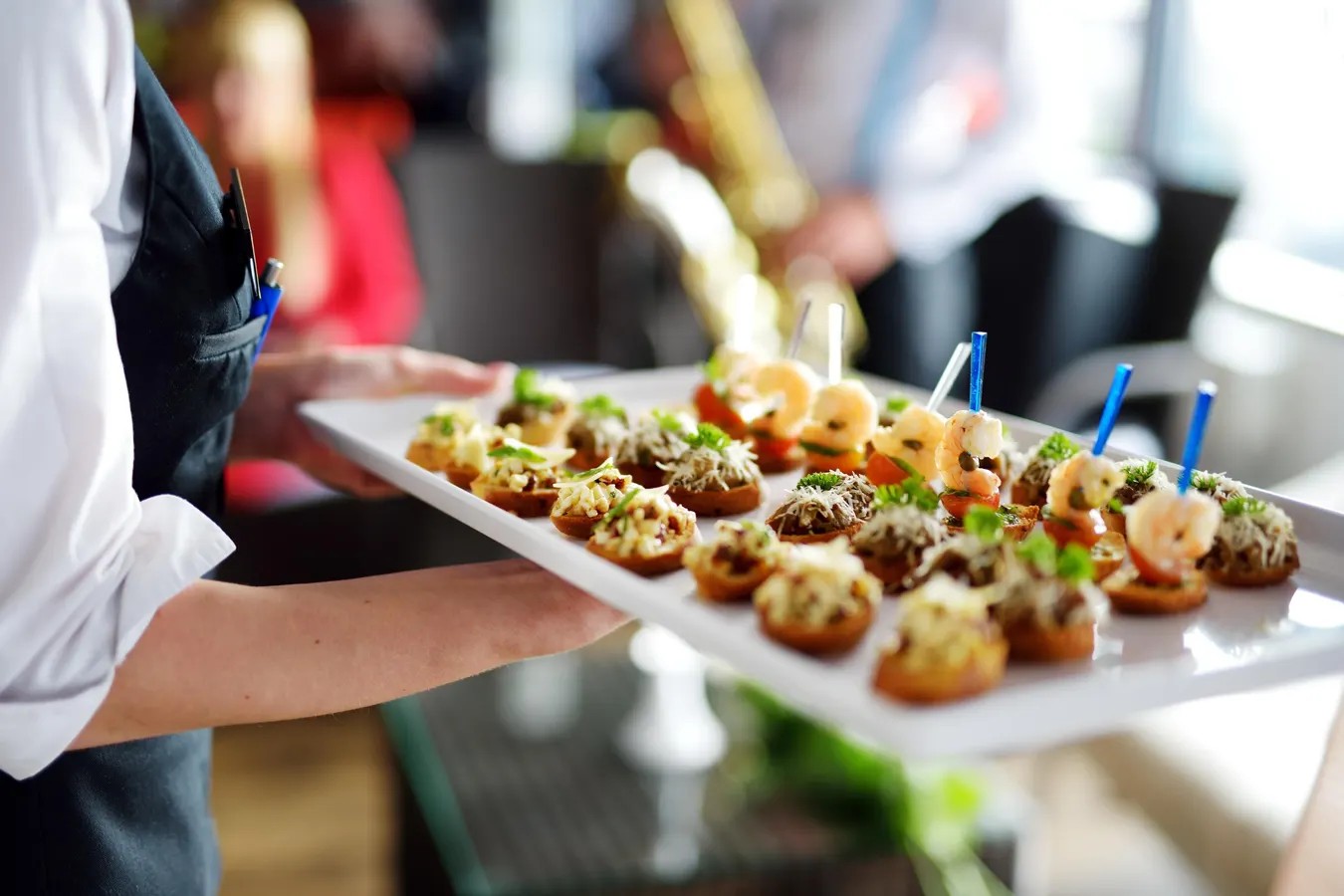
It begins with shrimp. A pink, glistening mound on a buffet platter. It sits on ice, looking pristine. You take a bite. It tastes fine.
Six hours later? You are on the bathroom floor. Your vacation is effectively dead.
Late summer is not just hot. It is peak season for gastrointestinal disaster. Why? Because record-breaking temperatures collide with an travel industry that is already falling apart. Delayed flights. Understaffed hotels. Power outages. When the grid flickers and the lines get long, food safety is the first casualty.
Travelers obsess over lost luggage and canceled flights. They ignore the invisible threat brewing in galley carts. It is simple physics. Boiling water hits 212 degrees. A comfortable bath is around 100 degrees. Bacteria thrive in that bath temperature. If you can soak in it, your food is cooking for them, not you.
The Broken Cold Chain Explained
Your safety depends on the cold chain. A temperature-controlled supply line from farm to fork.
Break it, and you invite danger.
“Cold chain breakdown during summer months increases risk of foodborne illness mainly through inadequate refrigerator,” says Robert Glatter, emergency physician and Medscape editor. He warns that even upscale resorts sometimes lack proper refrigeration. They look nice. They fail at the basics.
Here is the part that keeps you awake: heat cuts the safe window in half.
When refrigerated food hits room temp, pathogens like Listeria monocytogenes and Yersinia enterocolitica reach infectious levels up to 50% faster than if they had stayed cold.
You do not want to test that margin of error three thousand miles from your doctor.
Defining the Danger Zone
It is not just about warmth. It is about duration.
Trisha Pasricha, Harvard Medical School gastroenterologist, defines the “danger zone” as 40 to 140 degrees Fahrenheit.
“Think about this—boiling water is 212 degrees, but comfortable bath temperature is around 10. If you could take bath in it, bacteria rapidly multiply.”
Pasricha sees this daily during summer travel spikes. Outdoor markets. Food trucks with broken ACs. Buffets.
You might think you can smell it. You can’t.
Mario Hupfeld, CTO of NEMIS Technologies with a PhD in microbiology, says growth happens in silence.
“You won’t smell it. You won’t taste it. The risk is just there.”
Buffet Minefields: What to Avoid
The buffet is a trap. Dean Harper, London-based private chef, sees the damage up close. He blames “grazing.”
Guests hover for hours. They pull a scallop. Then a shrimp. Then a slice of cake. Short exposures become long exposures. The food sits in the danger zone for four hours instead of thirty minutes.
Harper notes guests judge by sight, not thermometers. Shallow ice beds. Chafing dishes that feel warm to the touch. Heat lamps that don’t actually hit the required 135 degrees.
Worse is “topping up.”
Saifur Rahman, head chef at Tower Tandoori, explains that staff often pile fresh food onto old pans to keep the display looking full.
“Staff may top up fresh food on older batches instead of swapping whole pan, keeping core in danger zone,” Rahman says.
This seeds new food with high bacterial loads. That scoop of “fresh” potato salad? It is sitting on three hours of Staphylococcus aureus.
High-Risk Foods to Watch
Are carbs safer? Probably not.
Rahman points out that the danger zone breeds Bacillus cereus and Clostridium perfringens. These thrive in cooked rice. Curries. Stews. Gravies.
Sharon Nachman, pediatric infectious disease chief at Stony Brook, flags two items specifically: rice and mayonnaise.
“Both high risk for food poisoning,” Nachman says. These bacteria produce毒素 (toxins) causing vomiting and diarrhea. They strike fast. Hours after you eat.
That fried rice in the airport lounge heating up since 10 a.m. is a mistake. Don’t make it.
How Flight Delays Ruin Airline Meals
This summer, chaos amplifies risk. When the airline system fails, food safety fails with it.
Rahman notes that prolonged tarmac delays chip away at safe temperatures. You can’t see it happening.
Allan Hou, sales director overseeing temperature-sensitive goods, has data.
“A single hour at airport or hub puts perishables in danger zone,” Hou says.
He recalls a shipment of chilled seafood stuck at a coastal airport during extreme heat. The container was sealed. The internal loggers recorded temps exceeding 50°F within two hours.
“As soon as temps above this level, bacterial growth exponential,” Hou adds.
Now apply that to your turkey wrap on the tarmac while mechanics fix the AC. The cold chain snapped. The food is compromised.
The Backpacker Fallacy
Blame the airlines? Yes. Blame yourself? Also yes.
Hupfeld calls this the “backpacker logic.” Travelers walk to convenience stores, grabbing snacks. They think, “It was only out for 20. It’s safe.”
“But even 15 minutes out summer heat enough for bacteria head start,” Hupfeld warns.
You are underestimating the heat. Overestimating your safety.
Are Mini-Fridges Safe?
Hotel mini-fridges are notorious liars.
Meridan Zerner, dietitian at Cooper Clinic, says many aren’t cold enough.
Hupfeld agrees. They don’t cool like home fridges. Especially if they are stuffed with soda and snacks.
Avoid storing perishables on doors or top shelves. If you try to save leftover sushi in a lukewarm hotel mini-fridge, you are gambling with your guts. Lose.
How to Protect Your Gut
Want to avoid turning your stomach into a war zone experts suggest this playbook.
Audit the Buffet. Take small portions from fresh pans. Avoid items sitting low in wells. Skip food without visible heat or solid ice. Avoid the last pan before closing.
Watch the Clock, Not the Cooler. Don’t trust your hand. Trust the time. “Avoid food left outside more than 2 hours warm temps,” advises Hou. If it’s over 90°F outside that drops to one hour.
Go Sealed. During delays, skip hot meals. Seek sealed items: yogurt. Milk. Whole fruit. Bananas. Mangoes. Fruits you peel yourself are safer than mixed dishes.
Medicate Proactively. Pasricha suggests taking bismuth subsalicylate. “Studies found taking bismuth subsalicytravel before/during travel reduce risk traveler’s diarrhea 65%.”
Check Insurance. If you get sick, it costs money. Lauren McCormick of Squaremouth notes travel medical insurance can cover urgent care for foodborne illness. Trip interruption coverage can pay for extended stays. Don’t fly blind.
Final Thoughts
We want to believe the travel industry has our backs. We want to trust the codes. The checks. The fridges.
But this summer? Blind faith is a shortcut to the ER.
The heat is rising. Systems are breaking. The only person ensuring your food is safe is you. Stay vigilant. Or pay the price.