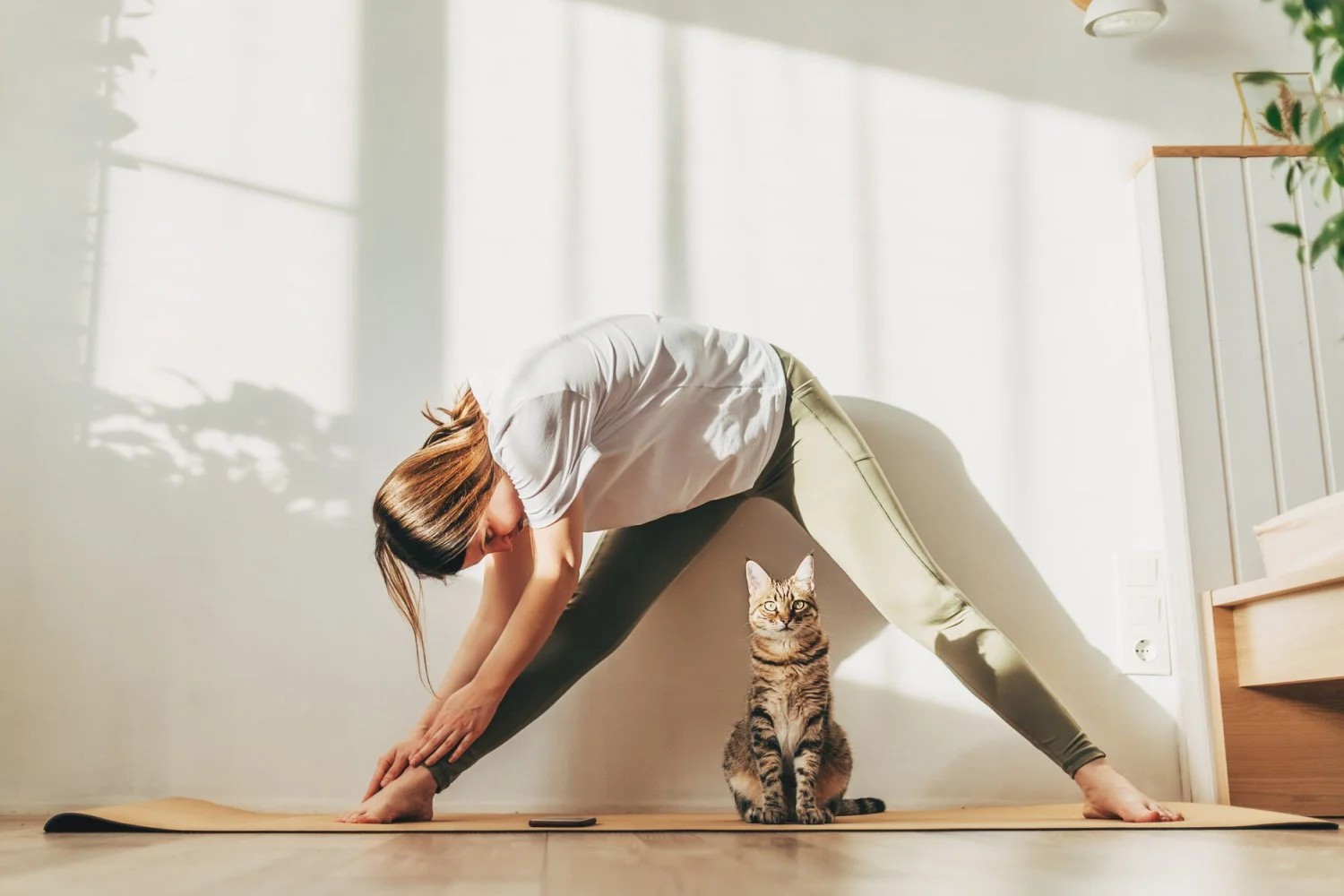
International Yoga Day is not just a calendar marker for seasoned practitioners; it is a global invitation to reconnect with the body and mind. Observed annually on June 21, this United Nations-designated day highlights yoga as a holistic tool for health, accessible to everyone regardless of age, flexibility, or experience.
For many, the idea of yoga conjures images of impossible poses or expensive studio memberships. In reality, yoga is far simpler: it is the deliberate coordination of movement and breath. This practice offers tangible benefits for physical resilience and mental clarity, requiring nothing more than a floor and a few minutes of focus. As stress levels rise globally and sedentary lifestyles become the norm, yoga provides a practical, evidence-based countermeasure.
Here is what you need to know about the significance of the day, the science behind the practice, and a simple routine to begin your journey.
The Origin and Significance of June 21
International Yoga Day was established in December 2014 following a proposal by Indian Prime Minister Narendra Modi at the United Nations. The initiative received unprecedented support, with 175 countries backing the resolution. The first official celebration took place on June 21, 2015.
The choice of date is intentional. June 21 marks the summer solstice in the Northern Hemisphere—the longest day of the year. This date holds spiritual and cultural significance in many traditions, symbolizing light and vitality. By aligning the observance with this natural event, the UN emphasizes yoga’s roots in ancient Indian philosophy while framing it as a universal practice for modern well-being.
Today, an estimated two billion people practice yoga worldwide. The UN recognizes it not merely as exercise, but as a comprehensive system that supports physical, mental, and social health.
Five Evidence-Based Benefits of Yoga
Yoga’s popularity is not just a trend; it is supported by a growing body of scientific research. Regular practice impacts the body and mind in five key ways:
-
Stress and Anxiety Reduction
Yoga combines physical movement with slow, controlled breathing and mindfulness. This triad signals the parasympathetic nervous system to activate, effectively telling the body it is safe to relax. Studies indicate that yoga can be as effective as other relaxation techniques in reducing symptoms of anxiety and depression. -
Improved Strength and Flexibility
Unlike isolated weight training, yoga engages multiple muscle groups simultaneously. Research shows that regular practice enhances muscle strength, balance, and lower-body flexibility across all age groups. Even a single session per week can yield noticeable improvements in physical capability. -
Heart Health Support
Yoga contributes to cardiovascular health by lowering blood pressure, slowing resting heart rate, and improving cholesterol levels. While it is most effective when combined with other forms of aerobic exercise, it serves as a vital component of a heart-healthy lifestyle. -
Better Sleep Quality
For those struggling to unwind, restorative or slow-paced yoga styles can significantly improve sleep. The combination of gentle movement and breath focus helps quiet the mind, allowing individuals to fall asleep faster and experience deeper rest. -
Enhanced Cognitive Function
Maintaining focus during a pose is a form of attention training. Research suggests that yoga may strengthen brain regions associated with memory and learning, potentially supporting neuroplasticity. Over time, this practice can improve concentration and the ability to remain calm under pressure.
A Beginner-Friendly 7-Step Routine
You do not need special equipment to celebrate International Yoga Day. The following 20-minute routine is designed for beginners or those returning to practice. It targets common areas of tension—hips, back, shoulders, and chest—and requires only a mat or soft surface.
1. Child’s Pose (Balasana) – 1–2 Minutes
Kneel on the floor, sit back toward your heels, and stretch your arms forward with your forehead resting on the mat. This grounding pose gently stretches the lower back and hips, offering a moment to arrive in your body. Breathe slowly and notice any tension you are carrying.
2. Cat-Cow (Marjaryasana-Bitilasana) – 8–10 Rounds
Start on all fours with wrists under shoulders and knees under hips. Inhale to drop your belly and lift your chest (Cow). Exhale to round your spine toward the ceiling and tuck your chin (Cat). Move rhythmically, letting your breath guide the motion to warm up the spine and ease stiffness.
3. Downward-Facing Dog (Adho Mukha Svanasana) – 5 Breaths
From all fours, tuck your toes and lift your hips into an inverted V shape. Keep a slight bend in your knees if your hamstrings are tight. Press through your palms and let your head hang heavy. This pose stretches the hamstrings, calves, and shoulders while building upper body strength.
4. Low Lunge (Anjaneyasana) – 5 Breaths Per Side
Step one foot forward between your hands from Downward Dog, lowering your back knee to the mat. Sink your hips forward and down. You can keep your hands on the mat or raise them overhead. Hold for five breaths, then switch sides. This pose opens the hip flexors, which often tighten from prolonged sitting.
5. Warrior II (Virabhadrasana II) – 5 Breaths Per Side
Stand with feet wide apart. Turn your right foot out 90 degrees and bend your right knee over your ankle. Extend your arms parallel to the floor, gazing over your front hand. Hold for five breaths, then switch sides. This pose builds leg and core strength while opening the chest.
6. Seated Forward Fold (Paschimottanasana) – 1–2 Minutes
Sit with legs extended. Inhale to sit tall, then exhale to hinge at the hips, reaching toward your feet while keeping your spine long. Do not force the stretch. This calming pose stretches the hamstrings and lower back, naturally encouraging the nervous system to settle.
7. Corpse Pose (Savasana) – 3–5 Minutes
Lie flat on your back with arms by your sides, palms up. Close your eyes and let your feet fall open naturally. This is the most crucial part of the practice, allowing the body to integrate the benefits of the session. Rest here, breathing naturally, and allow yourself to simply be.
Common Questions About International Yoga Day
Why is June 21st chosen for this observance?
June 21st is the summer solstice, the longest day of the year in the Northern Hemisphere. Indian Prime Minister Narendra Modi selected this date for its cultural and spiritual significance across many traditions. The UN officially recognized the day in December 2014, with the first global celebration occurring in June 2015.
Do I need to be flexible to start yoga?
No. Flexibility is a result of practice, not a prerequisite. Yoga meets you where you are. Beginner poses are designed to be accessible, and modifications are available for every body type. The goal is progress, not perfection.
Can yoga help with stress and anxiety?
Yes. The slow, controlled breathing central to yoga helps regulate the body’s stress response. Peer-reviewed studies confirm that yoga can reduce stress and alleviate symptoms of anxiety and depression. When combined with mindfulness or meditation, these benefits are often amplified.
How can I celebrate if I am a beginner?
The simplest way to participate is to try a short session at home, such as the routine above. You can also explore online beginner classes, try a brief breathwork exercise, or simply spend a few minutes stretching. The goal is not to become an expert but to experience the practice firsthand.
Conclusion
International Yoga Day serves as a reminder that health is a holistic endeavor, integrating physical movement with mental awareness. By dedicating just 20 minutes to this practice, you can unlock benefits that extend far beyond the mat, supporting a healthier, calmer, and more resilient life.