You are stressed. Probably stressed a lot. If you are like nearly half of all Americans, that anxiety hits you at least once a week. One in six deals with it every single day. 📉
Why? You might look for reasons in the news or your boss. Look lower. Look at your desk. Your floor. The drawer with the cables in it.
Messiness isn’t just annoying. It is psychological weight.
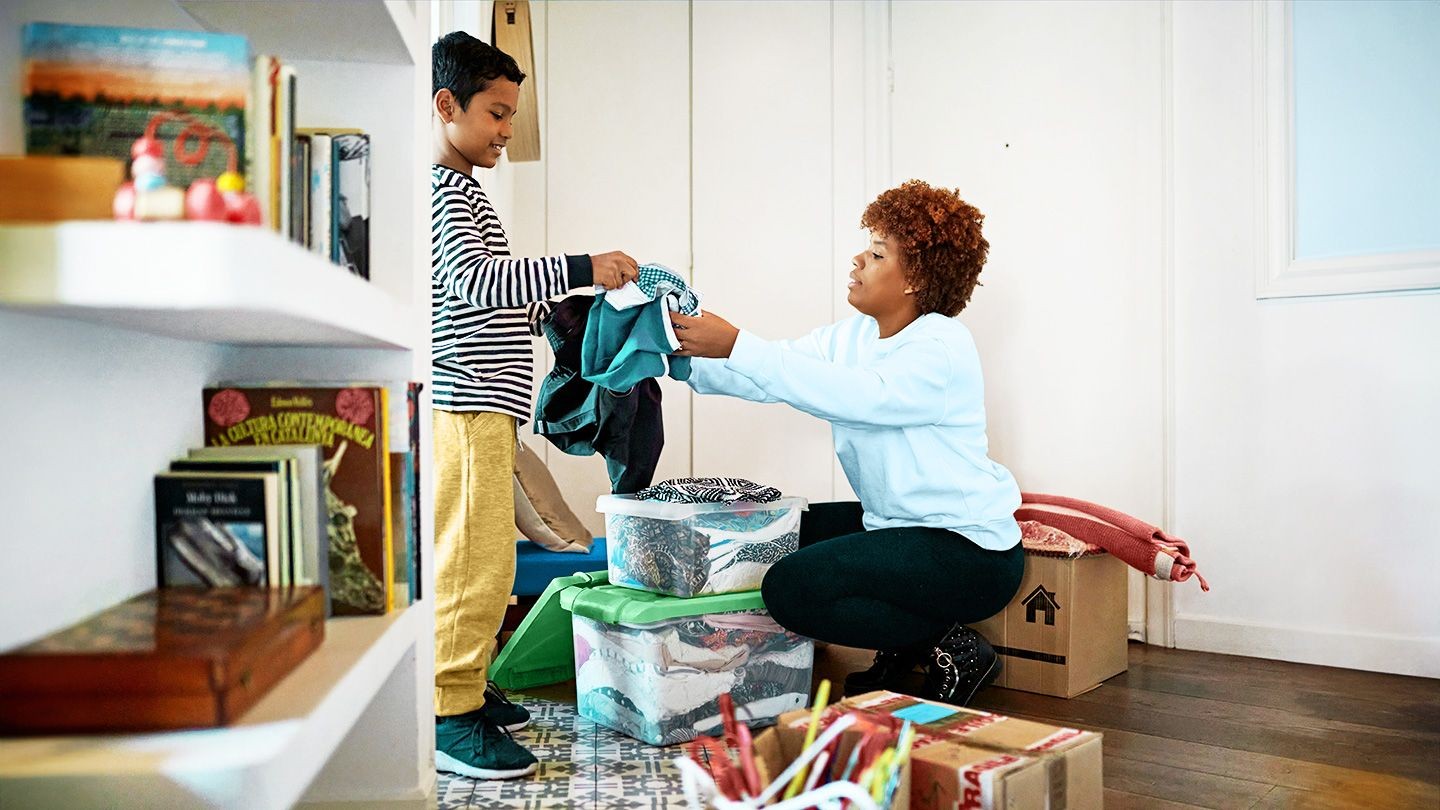
Decluttering —moving stuff to where it belongs—is not about interior design. It is about control.
“It gives people a renewed sense of power over their environment,” says Catherine Roster, PhD. She teaches at the University of New Mexico. She runs the Behavioral Lab. When you sort the mess, you feel freedom. Mastery. Like you are competent again.
Easy to say. Hard to do. That junk drawer looks like a monster. That pile of unworn clothes screams at you. We procrastinate because the task feels heavy. But science says it is worth it. Keep reading.
Why Clutter Kills Productivity
Think about your workspace. Papers stacked like towers. Trash lingering in the corner.
It kills your focus.
“Clutter creates chaotic living spaces,” explains Joseph Ferrari, PhD. He is at DePaul University. He argues we attach too much emotional value to trash. It is not the abundance. It is the attachment to it.
Procrastination and clutter feed each other. A study by Ferrari and Roster proved this. Indecision leads to a messy office. That mess then acts as a stressor, making you procrastinate more. A vicious cycle.
Remote workers? You are not safe. Research on 88 people working from home showed the same link. Messy desk. Stuck mind.
The damage gets worse if you are in charge. Another study looked at 202 workers. Senior roles like managers burned out faster when surrounded by clutter. Lower job satisfaction. Higher risk of exhaustion. The mess eats the leaders first.
Happiness Drops at Home Too
It is not just work. Your home affects you just as much.
501 adults were studied. The finding was clear: more clutter, lower life satisfaction. Lower mental well-being.
Need more proof? Look at stress levels. In an experiment, 96 students cared for crying infant simulators. One group had a tidy room. The other had clothes, toys, and papers everywhere.
Guess what happened. The students in the messy room reported significantly higher psychological stress. The chaos drained them.
“When there is lots of clutter, you lose physical control,” Roster notes. That loss of control brings on stress. Sometimes depression. Or just plain anxiety.
It Is Dangerous (and Bad for Diet)
Let’s talk safety. Literally.
Things on the floor mean tripping hazards. Piles of dust magnets attract bugs. Health issues arise.
Then there is social friction. You won’t invite anyone over if your living room looks like a disaster zone. Embarrassment keeps you isolated.
Even your stomach gets involved. One study set up two kitchens. One clean. One messy. People could eat cookies, crackers, or carrots all they wanted.
Participants in the messy kitchen ate more cookies.
Why? Mindset. When the environment is chaotic, stress eats the stress. However, when those participants recalled feeling in control, they ate fewer cookies. Your mindset can break the spell, but the mess fights against you. 🍪
What Is “Enough” Decluttering?
Does cleaning cure anxiety? Mostly, yes.
But do not expect one standard answer. Darby Saxbe, PhD from USC, points out a truth we ignore: clutter is subjective.
“Clutter is in the eye of the beholder,” she says. A pile of books might stress me. It might comfort you.
Roster agrees. It is a spectrum. Some people drown in stuff but feel fine. Others panic at a single pen on the wrong table.
The goal isn’t sterile perfection. The goal is removing the visual reminders of unfinished tasks. Saxbe calls it “cleansing the palate.” Crossing items off the to-do list gives a sense of accomplishment. Fresh start. Better mood. Greater productivity.
When It Becomes Harmful
Can you declutter too much? Yes.
Obsession is not health. If you must have everything in a specific grid pattern or you panic if a drawer is uneven, stop. Saxbe warns against letting decluttering consume your life. It stops being helpful. It stops being adaptive.
Find your sweet spot. Be flexible. Maybe the guest room stays messy during the holidays. That is fine.
Decluttering is self-care only when it tends to your emotional health without destroying it. Roster puts it bluntly:
“Not doing it is a form of diminishing self.”
Do it for balance. Do it for sanity. Not for a Instagram photo.
The science is clear. Clearing the space clears the head. The research is still evolving. More studies are needed. But the current data points one way: get control of the stuff, get control of yourself.
So. Where do you start? The junk drawer. Maybe. Or maybe just one corner of your desk.
“It allows you to feel more competent.” — Catherine Roster, PhD