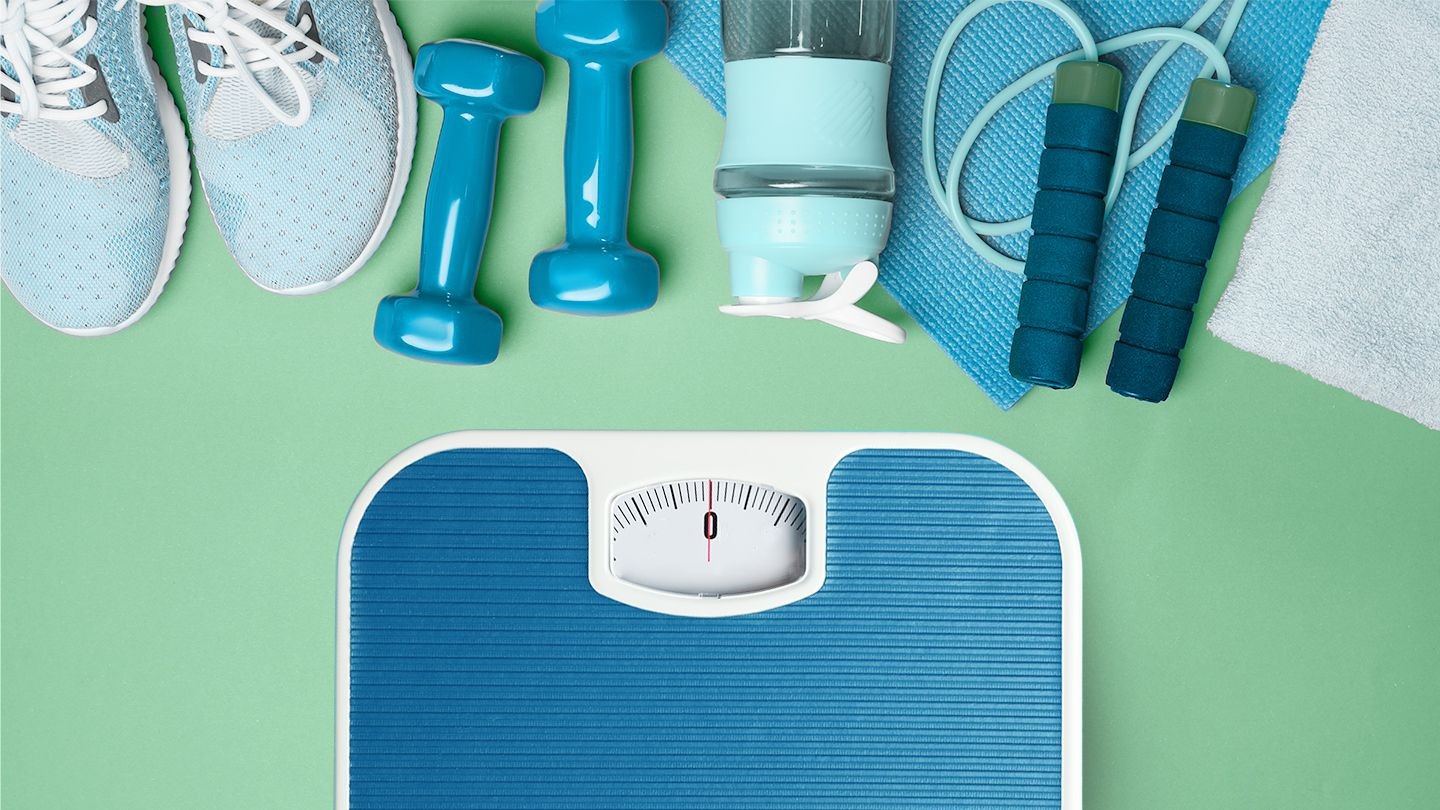
The scale refuses to budge.
You’re running miles. Lifting weights. Sweating until you feel hollow.
And yet?
Nothing.
Frustration is understandable. It feels like a lie. But the body is just efficient, not deceitful.
As Karen E. Todd points out, diet is the driver. Exercise?
It’s just the sidekick.
That’s harsh to hear if you spend an hour on the elliptical daily. But here’s the reality check.
Exercise makes you better. Less heart disease. Less depression. Better sleep.
Does it melt fat on its own?
Rarely. Not without help from the kitchen.
The Math Is Boring
Weight loss is simple algebra.
Deficit.
Burn more than you eat.
Research consistently shows diet wins this tug-of-war. It has a far larger lever than a thirty-minute run.
But exercise isn’t useless.
Losing weight is dangerous. It brings sarcopenia—the quiet thief of muscle mass and strength.
Cardio preserves the heart. Resistance training saves the muscle.
One helps you look human. The other keeps you functional.
After the pounds drop, exercise becomes the insurance policy against regain. Without it? The weight returns. With a vengeance.
Three Ways The Gym Betrays You
If you’re working harder than ever, why is the weight stuck?
1. You Become Efficient
Your body hates change.
You keep running. You get better at it.
“Your body becomes more efficient with energy,” says Todd.
It’s called metabolic adaptation.
Your resting burn drops. The total calorie cost of that same workout shrinks.
One study on overweight women showed exactly this.
The biggest drops in metabolism? Longest time to reach goals.
You’re walking the same treadmill. But you’re burning fewer calories to do it.
2. The Hunger Ghosts
Maybe it’s not the exercise.
Maybe it’s the steak you eat right after.
Fat cells release leptin.
Leptin screams “I’m full!” at the brain.
But as fat cells shrink during weight loss, leptin levels fall.
The signal breaks.
You don’t know when to stop eating.
Some people experience leptin resistance—high leptin levels, weak signal. Weight loss might actually improve the signaling for them.
Science is still scratching its head. “We’re just at the beginning,” says nutritionist Lynn Grieger.
Then there’s psychology.
“Compensatory eating.”
Dr. Nneoma Oparaji calls it that.
You run five miles. You “earn” the cookie.
Did it cost more? No.
And if the workout felt like hell? You reach for calorie-dense food to soothe the pain.
It’s not hunger. It’s revenge.
3. Burning Out
More isn’t always better.
Oparaji warns against the trap of intensity.
Chronic inflammation.
Suppressed immunity.
Hormonal chaos.
If you push too hard, the body enters distress mode.
It conserves fuel. Metabolism stalls. Insulin resistance spikes.
You’re tired.
Sick.
Mood swings for days.
Heart rate weird at rest? Over 100 or under 60?
You’re overtrained.
This usually hits elites, yes.
But regular joes?
They burn out. Quit.
And the weight comes back.
Cardio Versus Lifting
Which wins?
The type doesn’t matter as much as the cost.
Todd is clear on this.
Total calorie expenditure.
How hard you work.
How long you sustain it.
Matched for calories, steady-state cardio (running, cycling, swimming) wins the efficiency battle. It burns more per minute than lifting heavy iron.
But iron has perks.
HIIT and sprinting create EPOC—the “afterburn.”
Your body huffs and puffs, consuming extra oxygen, burning calories long after you’re done.
Lifting builds muscle.
Muscle costs calories just to exist.
“Cardio helps burn calories. Strength training preserves the muscle.”
It’s a combo.
Consistency beats intensity every single time.
Showing up Tuesday. Showing up Thursday.
Showing up when you’re sad.
So What Do You Do?
Accept the hard truth.
Diet is 80%. Exercise is the other 20% plus the health insurance.
The gym can sabotage you by lowering metabolism, spiking hunger, or inducing burnout.
Counter it.
Lift heavy to keep muscle.
Rest.
Add intensity where safe.
Walk more during the day, not just during “workout” time.
It’s not neat.
It’s messy.
You eat right. You move. You sleep.
The scale moves. Or it doesn’t.
But the health? That stays.
At least for now.