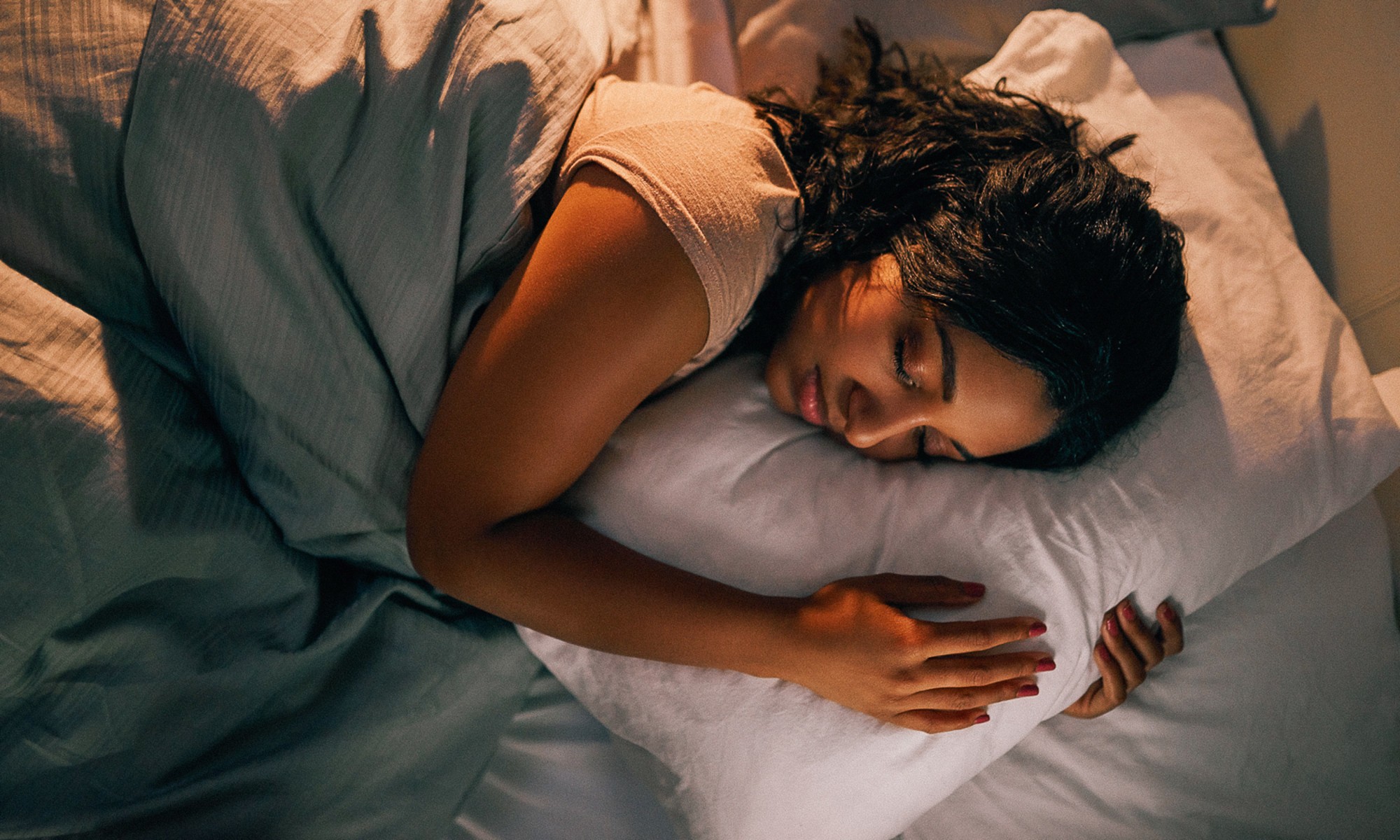
Прокидаєтеся втомленим? Мабуть, ви вважаєте, що просто не виспалися. Це є помилка. Якщо у вас псоріаз, справжнім злодюжкою є не загальний час сну. Це процес засипання. Болісна пауза між тим, як ви лягаєте на подушку, і моментом втрати свідомості. І наслідки цього вранці.
Нові дослідження з Італії показують, що з більш вираженими шкірними поразками сплять непросто «менше» загалом. Вони довше лежать із відкритими очима. І протягом дня вони почуваються більш виснаженими. Навіть якщо їх загальні показники сну на папері виглядають цілком задовільно.
Прихована тяжкість свербежу
Псоріаз страждає 2–3% населення. Це надмірна реакція імунної системи. Йдеться не лише про червоні плями. Щоденний тягар цього захворювання приблизно можна порівняти з діабетом або хворобами серця.
А сон? Одна з жертв, на які рідко звертають увагу.
Дослідники проаналізували дані 136 пацієнтів із двох італійських клінік. Ступінь тяжкості ураження шкіри оцінювалася за допомогою індексу PASI (Індекс площі та тяжкості ураження при псоріазі).
Виділилися дві групи.
- PASI нижче 10: легкий та середній ступінь захворювання.
- PASI 10 і вище: більш тяжкі загострення.
Якість сну перевірялося з тією ж ретельністю, використовуючи Pittsburgh Sleep Quality Index (PSQI). Цей інструмент оцінює сім ключових параметрів сну: швидкість засинання, тривалість, ефективність, денну загальмованість та інші.
Статистика була скоригована з урахуванням віку, статі, індексу маси тіла, тривалості захворювання та якості життя. Жодних виправдань.
Погіршення симптомів веде до краху сну
Більшість пацієнтів мали легкі випадки. Медіанний показник PASI? Усього 2. Оцінки сну були посередніми. На межі норми. Чи не жахливо, але й не відновлено.
Тут графік стає цікавим.
Якщо дивитися на загальний бал, пацієнти з легкою та тяжкою формою захворювання виглядають майже однаково. Середня. Забуваємо.
Але погляньмо уважніше.
Група з тяжким перебігом страждала значно більше. Їм потрібно більше часу, щоб заснути. А коли дзвонив будильник, вони рухалися у сповільненій зйомці.
Швидкість засинання та денна працездатність — ось зламані показники.
Справа була не у віці. Не у вазі. Тільки запалення.
Чому ми це упускаємо? Тому що середні значення оманливі. У двох людей може бути однаковий «поганий» бал зі сну. Один годинник лежить і дивиться в стелю. Інший засинає швидко, але прокидається із туманом у голові. Одна цифра. Цілком різні страждання.
«Денна дисфункція означає труднощі з підтримкою неспання і виконанням завдань… сигнали, які легко списати щось інше, а чи не активність псоріазу».
Хто б міг подумати, що свербіж робить вас таким млявим на нарадах?
Причинно-наслідковий зв’язок murky (розмита). Чи погіршує поганий сон шкірні висипання? Чи висип руйнує сон? Чи це сплетення обох процесів? Поки що ми не знаємо.
Що вам дійсно слід робити
Якщо у вас загострення, ваш лікар не тільки дивиться на шкіру. Він оцінює період відпочинку вашого мозку.
Поговоріть із дерматологом. Зниження індексу PASI веде до зниження затримки засипання. Засоби, що заспокійливі шкіру, подібні, заспокоюють і ніч. Це питання набагато глибше, ніж просто естетика.
Перестаньте гнатися за «8 годинами». Слідкуйте за процесом. Скільки часу витрачається на «відключення»? Ви перетягуєте свій вівторок через силу? Якщо почуття втоми не відповідає часу, проведеному в ліжку, скажіть про це. Повідомте ці деталі вашій команді лікарів.
Перевірте свій ранковий ритуал. Погана ніч швидко посилюється, якщо ранок починається неправильно.
Головний висновок – не нові дані. А увага. Дивіться на прогалини. Дивіться затримки. Саме там ховається хвороба.