LDL cholesterol. We know the drill. High levels are bad. Low levels are good. Or at least, that’s the conventional wisdom handed to us at every annual physical. But here is the thing: standard LDL tests tell you how much cholesterol is floating around, not necessarily how dangerous it is.
Enter LDL particle count.
Most people have never heard of it. They shouldn’t be on the hook for ignoring it. But researchers increasingly view this metric as a sharper lens for cardiovascular risk. And new data suggests there is a simple, daily habit that can move that needle.
No keto. No calorie counting. Just one avocado a day.
Why LDL Particle Count Matters More Than Standard LDL
Let’s pause on the biology for a second. It’s confusing because the terminology overlaps. Standard LDL measures the mass of cholesterol carried by particles. LDL particle count (often called LDL-P) measures the number of those particles.
Imagine a highway.
Standard LDL is the total weight of cars. LDL-P is the number of vehicles on the road.
You can have heavy trucks (high cholesterol mass) but only a few of them. Or, you can have a swarm of compact cars (low cholesterol mass) but thousands of them. The latter is often more dangerous. Why? Because those particles are the physical objects that can slip into artery walls. They initiate plaque buildup. Smaller particles are even sneakier. They penetrate deeper.
If you have high LDL-P, your risk of heart disease may be elevated, even if your standard LDL cholesterol looks “fine.” This is especially relevant for people with abdominal obesity or metabolic issues.
The Study: Adding Avocado to a Normal Diet
Researchers at Penn State didn’t ask participants to overhaul their lives. They didn’t run a rigid feeding study where every gram of food was weighed and tracked in a lab. That’s often where the real world disconnect happens.
Instead, they recruited 786 adults with abdominal obesity for a six-month trial. The groups were split simply:
- Control: Ate their normal diets.
- Avocado Group: Added one whole avocado daily to their normal diets.
That’s it. They kept their usual grocery habits. They ate out. They cooked as they usually did. The only variable was the addition of one avocado per day.
The Results: A Shift in Particle Count
By month six, the avocado group saw a significant drop in LDL particle concentrations compared to the control group.
Does that translate to real-world safety? The researchers estimated a 4% lower risk of future cardiovascular events. Four percent. It sounds modest until you realize this wasn’t achieved through weight loss or diet restriction.
Participants didn’t lose weight. Their waistlines didn’t shrink. This is a crucial distinction. It proves that heart health isn’t exclusively tied to the number on the scale. You can improve your cardiometabolic markers—your blood vessel health, your lipid profiles—while maintaining the same body weight.
What Inside the Avocado Does the Work?
Avocados are nutrient-dense bombs, but it’s the combination that seems to matter for LDL-P.
They are rich in monounsaturated fats. These fats don’t just sit there; they help modulate how your body handles lipids. Then there is fiber. One avocado offers nearly 10 grams. Fiber binds to cholesterol in the digestive tract, preventing it from entering your bloodstream in the first place.
You also get potassium. Folate. And phytosterols—plant compounds that structurally mimic cholesterol, competing for absorption slots in your gut. Less cholesterol absorbed means fewer particles circulating.
It’s a synergistic effect. No single ingredient is doing all the heavy lifting. It’s the package deal.
Is Avocado a Magic Bullet?
Hardly.
The researchers are quick to clarify that single foods don’t replace holistic dietary patterns. Eating avocados on a foundation of ultra-processed foods won’t save you. But adding avocado to an already decent diet? That’s a low-friction upgrade.
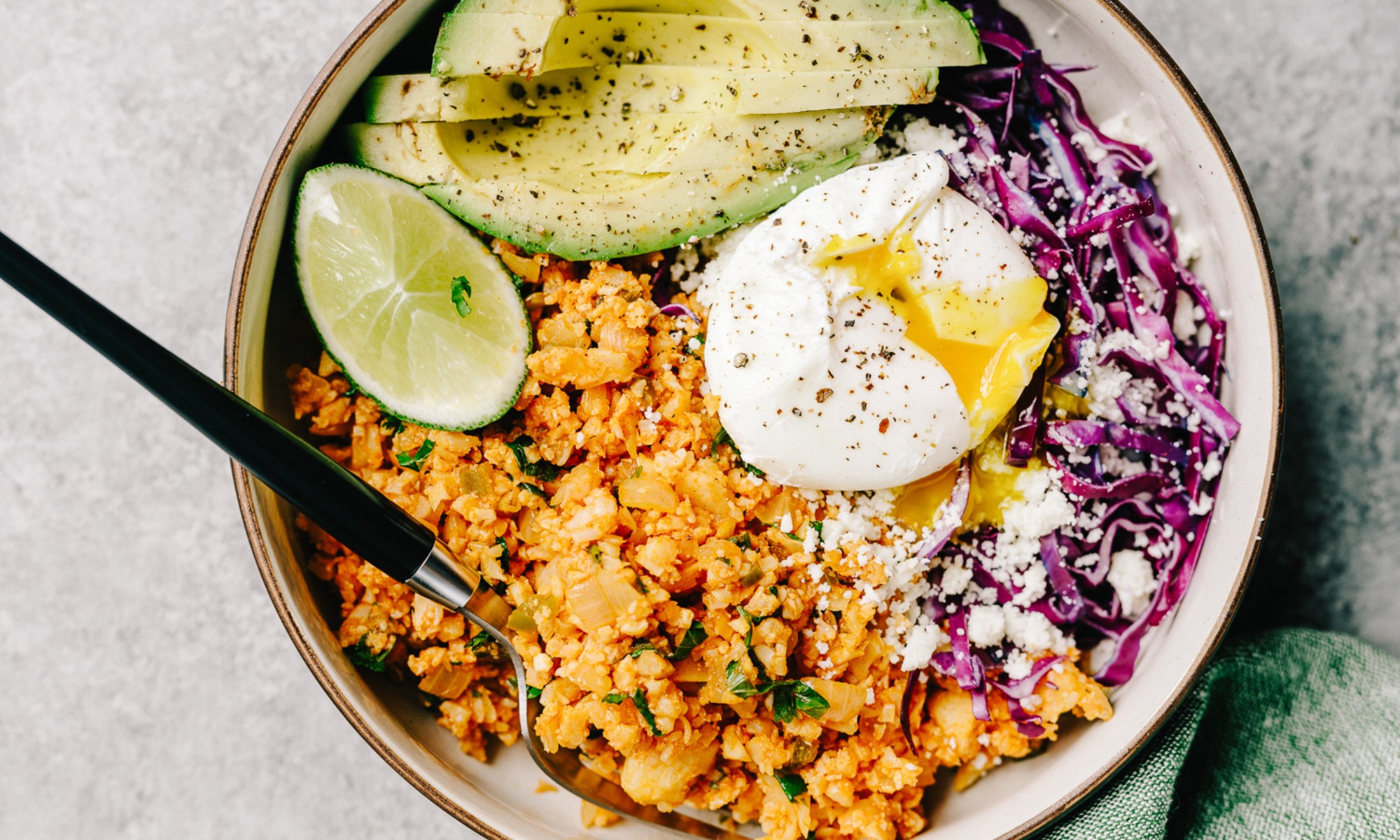
It’s approachable. You don’t have to give up carbs. You don’t need a supplement. You just slice one up and add it to your salad, blend it into a smoothie, or mash it onto toast.
We fixate on weight loss as the holy grail of heart health. But this study reminds us that sometimes, the most impactful changes are the ones we don’t even see on the scale. They happen in the bloodstream. In the arteries. In the quiet reduction of risk, one small addition at a time.
So, the next time you’re at the grocery store, ask yourself: do I need another diet? Or just one more avocado?
The choice might be simpler than you think.