Exercise isn’t optional if you have bronchiectasis. It’s a tool. Use it right and it clears the airways. Use it wrong? You just exhaust yourself.
Walking and Cycling
Start small. Really small. Ten minutes is a fine goal for beginners, according to Marjorie Cullinan. She’s a respiratory therapist at Yale New Haven Hospital who spends her days working with cystic fibrosis and bronchiectasis patients.
She likes interval walking. Quick for one minute. Slow for one. It pushes you just enough then lets you recover.
Don’t gasp. That’s the line. You should be able to speak in full sentences while your heart rates climbs. If you’re choking for air you’re going too fast. A treadmill helps here. You can tweak the incline without worrying about traffic or terrain.
Stationary biking works too. So does the StairMaster. Panagis Galiatsatos at Johns Hopkins likes anything that forces your thigh muscles to work.
The best exercises are going to be anything really pushes the thigh muscles. It sends more blood to the lungs. Helps them adapt.
Blood flow matters. Strong legs mean better oxygen delivery. Simple as that.
Lifting Light
You aren’t trying to join Mr. Olympia. Christina Hunt works for the Bronchiectasis and NTB Association. She wants you to lift your laundry basket. Just that.
Functional strength beats aesthetics every time.
Can you get up from a chair? Can you climb the stairs to your bedroom without stopping every two steps? Those are the metrics.
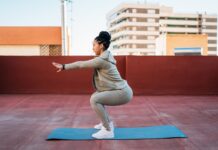
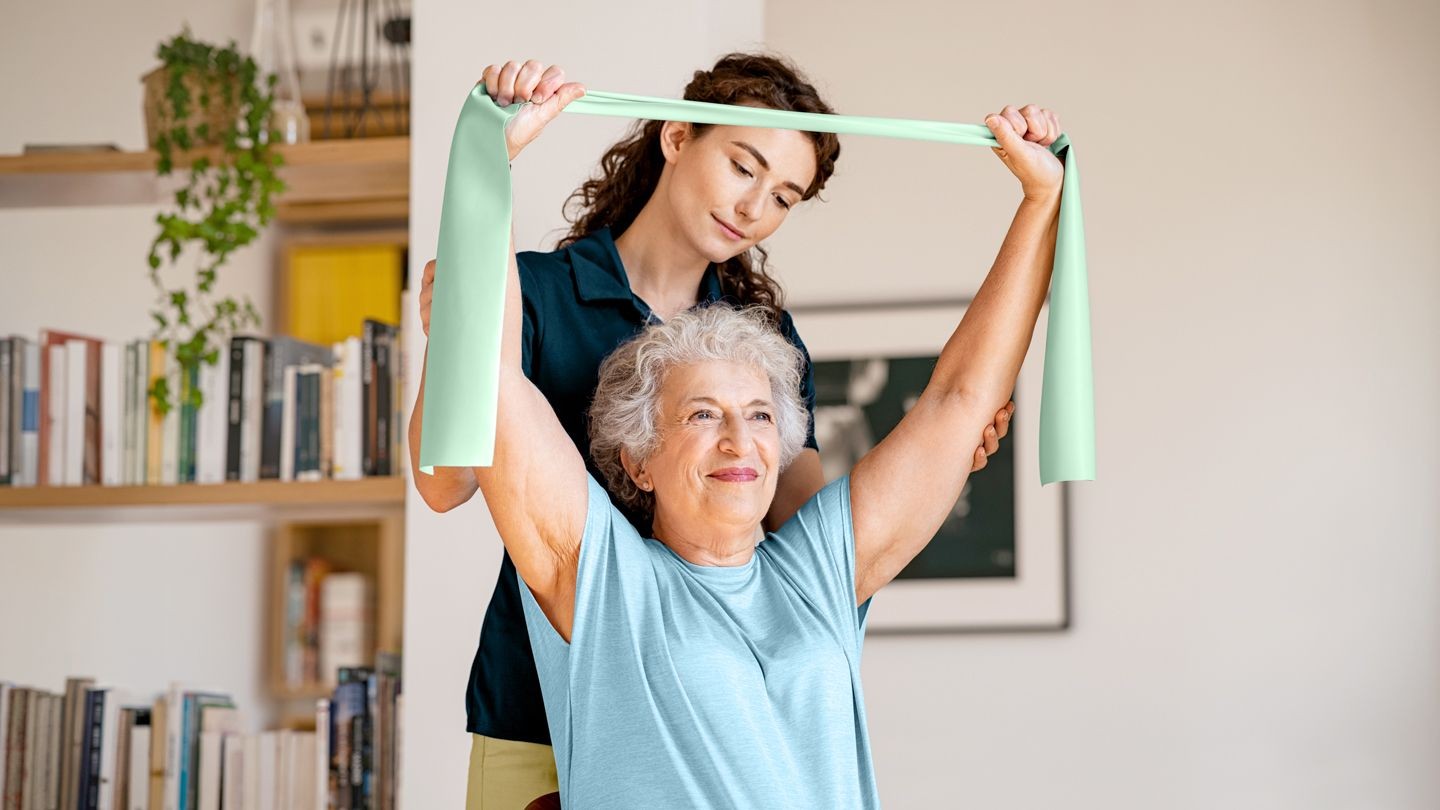
Hunt suggests squats and sit-to-stand drills. Step-ups count. These use your body weight. No fancy equipment needed. For the upper body, grab resistance bands or light dumbbells. Strengthen the chest wall. Help the muscles that breathe for you.
Start with ten reps. Focus on form. Work up to three sets.
You breathe deeper when you exert effort. It’s involuntary. Cullinan notes people rarely notice they are pulling air in deep during these movements. It helps.
Strong muscles compensate for weak lungs. Hunt has seen it. Time and again. When lung function dips, physical fitness carries you through the slump.
Stretch the Cage
Sit too long. Slouch more. Your chest caves in.
This matters. Bronchiectasis management requires space in the thoracic cavity. You need chest wall mobility to pull air in deep.
Most people hunch over keyboards. Shoulders roll forward. It crushes the diaphragm’s potential.
Roll them back. Align the head over the hips. Open the chest.
There are simple stretches for this:
- Rolled towel: Lie down. Place it under your upper back. Let the chest expand.
- Doorway: Forearm on the frame. Twist away gently. Feel the shoulder open.
- Arm circles: Slow motion only. Loosen the shoulder joint.
- Corner lean: Face the corner. Hands on both walls. Lean forward.
Good posture moves air. Bad posture traps it. When someone sits straight with shoulders back the lung volume changes immediately. More room means easier breathing.
These stretches don’t cost much energy. You can do them while waiting for the coffee. It’s restorative. Calm even. Just open the body.
Clear the Mucus
Exercise primes the lungs. Movement loosens the mucus sitting deep in the airways. Now it needs to move out.
Hunt coughing follows the workout. Do it immediately. The lungs are warm. The blood is flowing. The mucus is loose. It is the perfect moment to clear the pipes.
Cullinan sees it as stage two of the routine. Stage one was the walk or the squat. Stage two is the cough.
Some days the mucus is stubborn. Galiatsatos suggests breaking it up. Exercise until it hurts or congests. Stop. Clear the throat. Resume.
It’s a rhythm. Not a marathon.
You keep clearing. You keep moving. The days blur into routines until the breath comes a little easier than it did before. Or maybe it doesn’t.