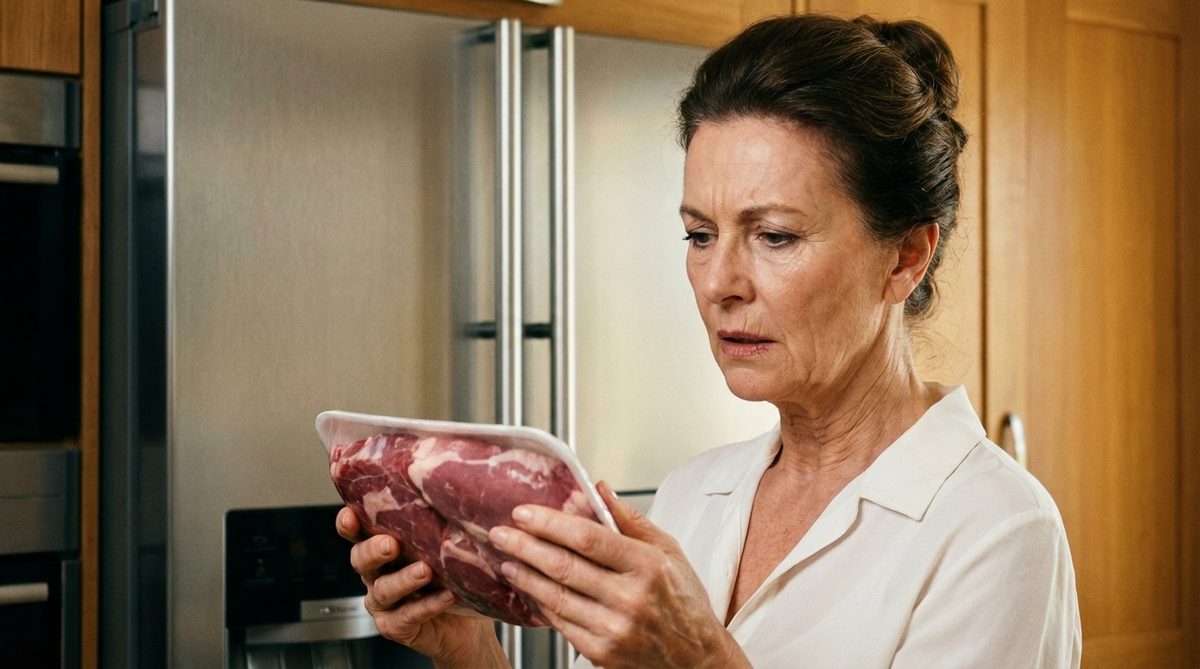
The dilemma is familiar to anyone who has ever unpacked groceries. You hold a tray of meat, eyeing the date. It is tomorrow. Do you freeze it?
For some, this is an instinctive anti-waste reflex. Especially in spring, when plans change and the fridge stays fuller than planned. For others, it is a mistake. They argue that dates are strict boundaries.
The truth is nuanced. Freezing is a powerful tool, but it is not a magic eraser. It pauses time. It does not undo damage. Whether freezing “the day before expiration” is safe depends entirely on what happened before you put it in the bag. Storage conditions matter more than the printed number. This is where opinions clash and where science offers clarity.
Understanding the Date: Safety vs. Quality
To make the right call, you must understand the label. On fresh meat, you will almost always see a DLC (Date Limite de Consommation). This is distinct from a DDM (Date de Durabilité Minimale), which you see on pasta or canned goods.
The DLC is a safety marker. It indicates the point after which the food may pose a health risk. Unlike quality dates, this one is not about taste degradation. It is about microbial safety.
Freezing at -18°C or lower slows microbial activity to a near halt. It effectively stops the clock on bacteria growth. However, it does not kill bacteria already present. If the meat was mishandled before freezing, the bacteria are still there. They are just sleeping. Thawing wakes them up. Therefore, freezing does not reset the clock on poor hygiene or temperature abuse.
The critical question is not the date itself. It is the history of the product. A piece of meat can be perfectly safe the day before the DLC if it has been kept cold from factory to fridge. It can be unsafe two days before the DLC if the cold chain was broken.
The Real Judge: The Cold Chain History
You can freeze meat the day before expiration if the history is clean. This requires a specific set of conditions.
The refrigerator was stable. The temperature was consistent. You went straight from the store to home. The packaging remained sealed and intact. In this scenario, freezing prevents waste without adding risk.
However, several red flags should stop you, even if the date is valid.
- A temperature breach during transport.
- Grocery bags left in a warm car.
- Pools of liquid in the tray that look cloudy.
- Plastic wrap that is torn or loose.
- Meat that appears “tired” or slimy.
Freezing in these cases merely postpones a problem. It does not solve it.
Not all cuts react to aging the same way. Minced meat is highly sensitive. Grinding increases surface area, exposing more flesh to air and bacteria. Poultry requires strict vigilance due to higher risks of salmonella and campylobacter. Whole cuts, like roasts or steaks, are more forgiving. The interior of a solid muscle is sterile; only the surface is exposed. Offal (liver, kidneys, heart) is an emergency. These organs spoil rapidly and should be cooked immediately or frozen right after purchase.
The Pre-Freezing Inspection: No Self-Deception
Sight and smell are helpful, but they are not infallible. Meat can look normal while harbaging spoilage organisms. You need to cross-reference multiple signals.
Some changes are normal. Meat may darken slightly in the fridge due to oxidation. A faint metallic smell upon opening is common. These odors dissipate quickly.
Warning signs are different.
- A strong, sour, or ammonia-like smell that persists.
- A sticky or tacky texture on the surface.
- A dull, grayish-green hue.
- Cloudy or discolored juices.
If you see these, do not freeze. Compost it.
Speed matters. Every hour in the fridge allows bacteria to multiply, even at safe temperatures. Freezing is a pause button. You must press it while the product is still fresh. Waiting turns a pause into a stop.
The Method: Packaging and Storage
If the meat passes inspection, the packaging determines its future quality. The enemy is air. Exposure to air causes freezer burn, which dehydrates the meat and ruins texture.
Use an airtight method. Plastic wrap pressed tightly against the surface works. Heavy-duty freezer bags with the air squeezed out are effective. Vacuum sealing is the gold standard, as it removes almost all oxygen.
Labeling prevents the “mystery meat” phase. Without labels, frozen items are often ignored until they are forgotten for months.
- Write the freezing date clearly.
- Note the contents (e.g., “chicken thighs, boneless”).
- Portion before freezing. Freeze only what you will use in one meal.
This reduces unnecessary thawing and refreezing, which degrades quality.
When placing items in the freezer, put them in the coldest zone. Avoid overloading the unit with warm items. A freezer full of warm food takes longer to reach the target temperature. This delays the freezing process and can affect the quality of existing items.
Freezing is a strategy for preservation, not a cure for negligence. Respect the cold chain. Trust your senses. And if the meat has sat too long, let it go. There is always next week’s grocery run.
The safest route is the boring one. Place the meat in a dish on the bottom shelf of the refrigerator. This prevents drips from contaminating other foods and keeps the temperature stable. It takes longer, sure. But stability matters.
The classic trap is leaving meat on the counter for “just an hour.” That is a gamble. The surface temperature rises fast, creating a breeding ground for bacteria before the inside even thaws.
Thawing methods and their risks
Microwaves can save the day in a pinch. But you must cook the meat immediately after. Some spots begin to cook while others remain frozen, and you cannot stop the process partway.
Cold water works too. The meat must be in a leak-proof bag. Change the water regularly to keep it cold. Cook without delay once it is thawed.
Direct cooking from frozen is an option for thin cuts. Adjust the time accordingly. For thick steaks or roasts, it is risky and uneven.
The golden rules of frozen meat
The logic is simple. Keep the cold chain unbroken. Ensure there are no signs of spoilage. Use airtight packaging. Match the cooking method to the cut.
When these conditions are met, freezing fresh meat the day before its use-by date is not just possible. It is smart. It extends the window for safe consumption.
Quality over calendar dates
The debate shifts when we stop asking “what date is printed?” and start asking “how was this handled?” Proper refrigeration, tight wrapping, and clean thawing make freezing a practical tool. It saves meals and reduces waste.
No stress required. Just ask one question each time: Did the meat have a calm life since purchase? Or has it already traveled too much, too long?