Outbreaks aren’t random. They’re symptoms.
Right now, measles is surging in the US. Cyclospora is contaminating produce supplies. Ebola is spreading in Africa. These diseases share nothing but their ability to travel. Yet they point to the same problem: the global public health system is fragile.
When systems work, no one notices. That’s the point. Strong vaccine uptake keeps epidemics off the radar. Surveillance catches threats early. It’s invisible infrastructure.
But when it breaks? Things get expensive. Things get out of control.
Here is what three specific outbreaks tell us about why disease outbreaks expose cracks in global public health systems.
The Measles Resurgence Is A Trust Deficit
The US has recorded more measles cases in a single year than at any point in three decades. And that’s with five months left on the clock.
Johns Hopkins University tracks these numbers. The count sits at 2,295. Ninety-three percent of those cases involve people who are unvaccinated. Or whose vaccination status is simply unknown.
Measles was eliminated in the US back in 2000. Why? The MMR vaccine. Two doses offer 97% protection. It’s nearly bulletproof.
The barrier now isn’t biology. It’s belief.
Vaccine hesitancy creates pockets of susceptibility. For herd immunity to work, you need 95% coverage. If that number drops, the shield cracks. Currently, at least 39 US states fall below that 95% threshold for school vaccinations.
Misinformation flows faster than science. Distrust takes root. And the virus returns.
Cyclosporiasis Shows What Happens When Labs Lose Staff
Cyclospora is a parasite. It hides in contaminated produce.
Tracking it down requires sophistication. You need detailed epidemiologic investigations. You need state and federal agencies to talk to each other. You need labs that are fully staffed and funded.
This is where the system falters.
The long incubation period—symptoms can appear up to two weeks after exposure—makes tracing the source incredibly difficult. But the real bottleneck is human capital.
Last year, the Department of Health and Humans Services laid off hundreds of CDC employees. Some were key players in detecting outbreaks like this. The CDC also downsized the specific lab unit monitoring infectious diseases like Cyclosporis.
Under-resourced systems move slower. Slower investigations mean delayed interventions. And delays mean more sick people.
Is it worth cutting the team that watches for the next crisis?
Ebola Funding Gaps In Africa Threaten Global Safety
The Ebola outbreak in the Democratic Republic of the Congo is moving fast. It is the fastest-growing in recorded history.
Over 1,000 dead. More than 2,500 confirmed.
The World Health Organization partnered with Africa CDC on a $518 million response plan. They have a funding shortfall of over $40 million. Wait—check that. Over $400 million.
That gap matters.
International assistance historically supports outbreak surveillance in low-resource settings. It trains healthcare workers. It equips labs. Without it, detection lags.
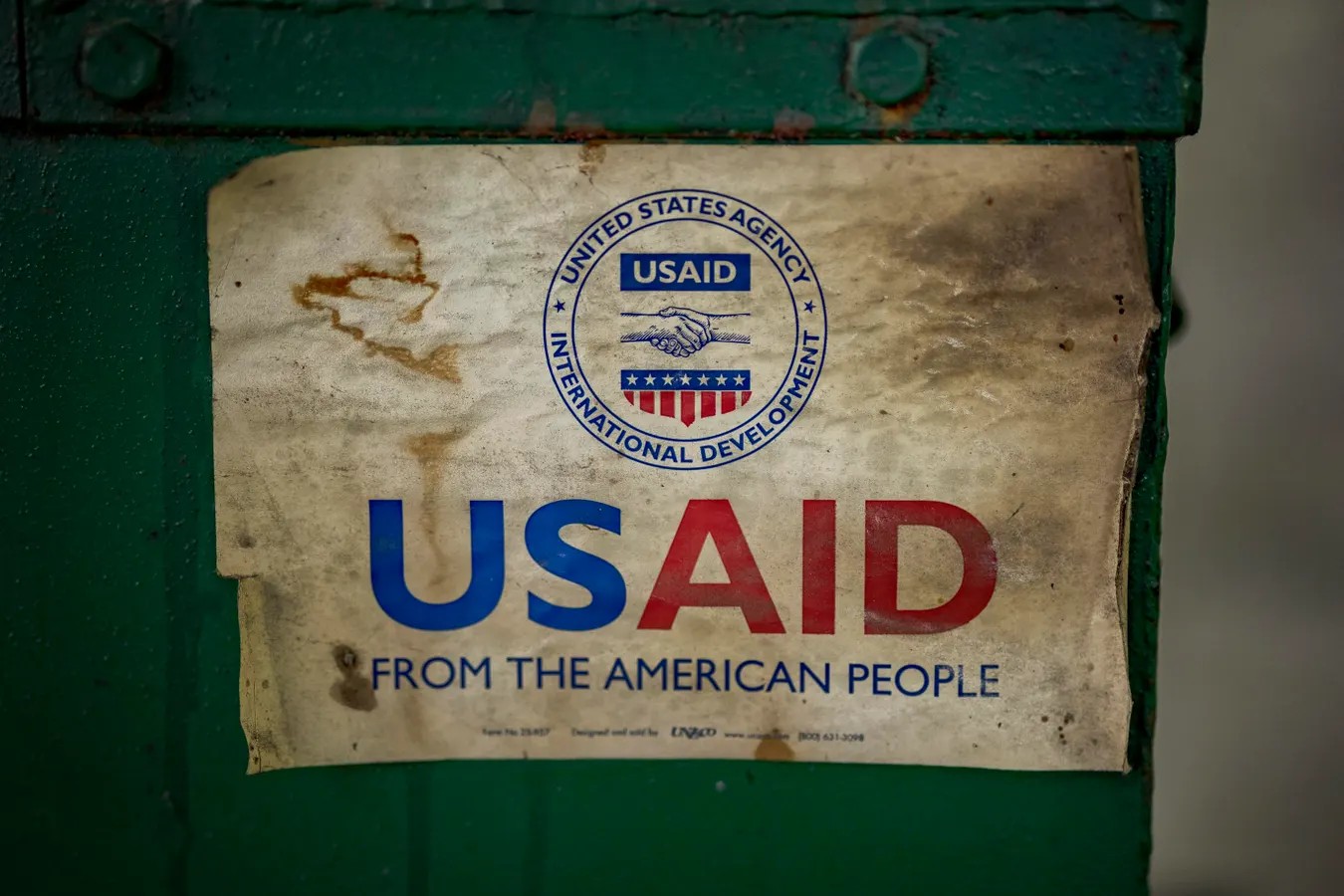
US Agency for International Development funding cuts have compounded this. Fewer personnel. Less equipment. Fewer tests.
Sure, other factors play a role. Political turmoil. Armed conflict. Mistrust in medical workers. But you cannot control an outbreak if you cannot find it. Surveillance capacity is the cornerstone of response.
The Cost Of Reacting Too Late
Measles. Cyclosporia. Ebola.
They are all spreading at unprecedented levels. They are also teaching us the same lesson.
Public health cannot be a fire brigade. You can’t just show up when the building is already burning. It requires sustained investment. Clear communication. Trust. And robust global partnerships.
The outcome of the next threat isn’t decided when the virus hits.
It’s decided long before. In the quiet moments. In the budget meetings. In the choice to fund surveillance today rather than pay for chaos tomorrow.