Before the era of the in-car camera, NASCAR drivers were ghosts. You couldn’t see them. You just saw helmets and thick roll cages blocking out the glare of the Southern sun. The only way they talked to their crew chiefs was through crackly two-way radios. It was a black box. Then everything changed in 1983.
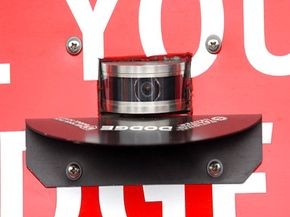
The Daytona 500 marked the debut of the first NASCAR in-car camera. It wasn’t what you think. The “RaceCam” was a tiny, remote-controlled device inside Cale Yarborough’s car. It sent a signal to a helicopter hovering above the track. That helicopter bounced the signal to a trailer, which finally pushed it to your TV. It was clumsy. It was revolutionary.
Yarborough didn’t just carry the camera. He became the first driver to win a race with one on board. But the technology wasn’t always pretty. Veterans like Dick Trickle got caught on tape lighting up a cigarette using their car’s functional lighter during a caution lap in the late 1980s. Now? We’re used to hearing every gear shift and every radio burst as cars scream into turns.
The Evolution of the View
Technology raced ahead in the early 1990s. Teams started mounting cameras everywhere. Roof. Bumpers. Axles. Side panels. Some even tried infrared brake cams to show how hot the pads got in corners. It was a mad dash for angles.
By 2007, ESPN pushed the envelope further with high-definition in-car cameras in the NASCAR Nextel Series. Clarity mattered. Speed mattered.
Now, after 25 years of tweaking, the setup is refined. We’ll get into the exact configuration next. But first, you have to understand the standard.
The Three-Camera Standard
Modern NASCAR cars almost universally run a three-camera setup. It’s not random. It’s calculated.
- Rear bumper
- Roof
- Cockpit
That last one is the “doggie cam.” It’s positioned where a dog might sit if it wore a helmet. It’s the most intimate view we get. But who installs them? Not the teams.
Broadcast network crews handle the tech. They drill holes in exterior panels and the interior dash. They run the wiring. It takes about half an hour per car. Precision work. Fast hands.
There’s always been a debate. Does the camera add weight? Does it hurt performance? In the 1980s, only three races were won by cars with cameras. Two by Yarborough. One by Geoff Bodine. To keep it fair, cars without cameras get dummy weights. It quiets the crew chiefs. Mostly.
After the checkered flag, the cameras come off immediately. The same crews that put them in take them out. They pack them up for the next track.
Where Do They Hide?
Roof. Bumper. Cockpit. Those are the big three. But techs love to sneak them into other spots if they can convince the crew chief.
Front grilles. Footwells. The heel-toe area. It lets us see exactly how drivers manage the pedals. It’s not just about speed. It’s about the mechanics of the sport.
We’ve gone from mystery to crystal clear. The view is sharper. The audio is louder. But the question remains: what’s next for the tech in the cockpit? We’ll dig into the ideal setup on the next page.
How NASCAR Picks Which Cars Get In-Car Cameras
It sounds like a lottery. With a typical Nextel Cup field holding 40+ cars, how does a team snag the coveted in-car camera package? It’s not random. Broadcasters and fans want the lens on the drivers who actually matter at specific venues.
Think about Dover International Speedway. If a driver has topped the leaderboard or finished in the top ten at the Monster Mile for five straight seasons, they’re locked in. The camera goes in. Same logic applies to road courses. If you excel at Watkins Glen, twisting through those chicanes, expect a lens aimed at your cockpit. Performance dictates placement.
But track speed isn’t the only metric. Points leaders get priority. When the championship fight narrows to the top five, the cameras follow the money and the standings. The driver with the best shot at the big prize gets the coverage. It’s about narrative. And drama. And ratings.
The Cost of Being on Camera
Like everything in stock car racing, this isn’t free. The in-car camera is a sponsored asset. Usually, the car’s primary sponsor buys an advertising package from the broadcaster that includes the lens. Occasionally, an advertiser without a car in the race will pick it up, but that’s rare.
The positioning is deliberate. You want the sponsor’s logo visible. Roof cams catch hood stickers. Doggie cams (mounted near the driver’s head) pick up badges on the fire suit. It’s visual real estate.
Sponsoring these cameras for a season runs about $30,000. That number can jump to $50,000 for popular drivers who sit high in the standings. You’re paying for access. And attention.
Did Cameras Hurt Performance?
In-car cameras have a reputation for adding weight and drag to the car. Drivers have historically resisted them. But the data tells a different story.
Weight and drag didn’t stop wins. In the 2008 season, every single road race was won by a car with cameras installed. That includes the two NASCAR events held in Mexico. The hardware didn’t slow them down. It just sat there, recording.
From Cockpit to Living Room
Getting that signal from the cockpit to your TV used to be a headache. Early systems broadcast to a helicopter hovering overhead. The heli then relayed the feed back to a broadcast trailer. It worked. But it was heavy on fuel and logistics.
Now? The helicopter is gone. In its place are receivers lining the top of the track’s bleachers. The in-car camera sends out signals. Trackside receivers catch them all along the route. From there, the signal hits a trailer for processing, then shoots to the network.
Cable. Satellite. Internet. Rabbit ears. Whatever you use, the feed arrives.
The result is intimacy. Fans feel closer to the action. You see the fist pump at the checkered flag. You hear the radio traffic between driver and crew chief about tire wear or handling. It creates a connection that aerial shots never could.
Technology and Future Views
Companies noticed this pull. DirecTV signed deals with NASCAR to leverage the relationship. Their “NASCAR HotPass” package offers high-definition in-car images and dedicated audio channels for selected drivers. You pay for the direct line.
As technology shrinks and images get crisper, NASCAR will keep pushing. Infrared engine cams? In-helmet cams? Anything is possible. Provided someone is willing to sponsor it.
Beyond the Cup Series
This isn’t just for the Nextel Cup. NASCAR Nationwide and Truck Series races feature in-car cameras too. But other sports got there first, or alongside them.
Hockey’s in-the-net goal-cam. Baseball’s catcher-mounted mask-cam. These are part of the same phenomenon. Shrunken, high-tech lenses bringing fans inside the action. We want to see what they see. We want to hear what they hear.
The technology advances. The sponsors keep paying. The fans keep watching. And the cameras keep rolling.